

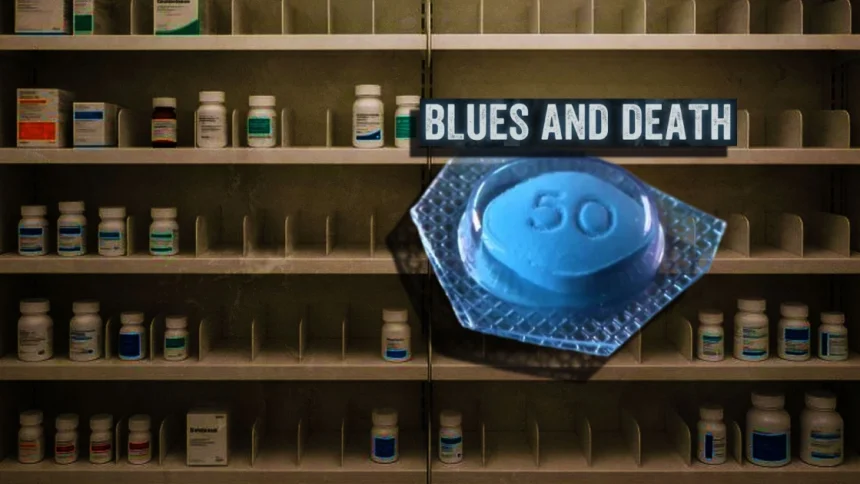
In a decisive move to safeguard public health, the Ministry of Health has declared an all-out offensive against Kenya’s shadowy pharmaceutical underworld. Health Principal Secretary Mary Muthoni Muriuki has announced a major nationwide crackdown on rogue pharmacies and chemists illegally dispensing prescription drugs, particularly targeting the rampant, unregulated sale of erectile dysfunction medications (like the famed “Blue Pill”), antibiotics, and psychotropic substances. This operation, spearheaded by the Pharmacy and Poisons Board (PPB), aims to shutter hundreds of illegal outlets, arrest unscrupulous practitioners, and restore integrity to a vital sector compromised by greed and endangerment. This blog unpacks the scale of the crisis, the specifics of the crackdown, and what it means for every Kenyan who walks into a drug store.
Section 1: The Rogue Epidemic: What’s Happening in the Shadows?
The PS’s announcement confirms long-held public fears about the state of pharmaceutical retail in Kenya.
The “Blue Pill” Bazaar: The most visible symptom is the over-the-counter sale of Sildenafil (Viagra) and Tadalafil (Cialis) without a prescription. These drugs, meant for specific cardiovascular conditions, are peddled like candy, often as counterfeit versions with unknown dosages and dangerous impurities, posing severe risks like priapism, heart attacks, and strokes.
Antibiotic Resistance Time Bomb: Perhaps more dangerously, rogue chemists freely dispense prescription-only antibiotics. This irresponsible practice is a primary driver of antimicrobial resistance (AMR), where bacteria evolve to survive these drugs, rendering common infections untreatable and creating superbugs—a silent global health crisis brewing in plain sight.
Psychotropics and Controlled Substances: Reports indicate the illegal sale of anti-anxiety drugs, painkillers like tramadol, and other controlled substances, fueling addiction and mental health crises without oversight.
The Operators: These outlets range from fully unlicensed shops to legitimate pharmacies employing unqualified staff or qualified pharmacists illegally moonlighting after hours.
Section 2: The “Crackdown” Blueprint: How Will It Work?
The PS outlined a multi-agency, intelligence-led strategy.
Lead Agency: The Pharmacy and Poisons Board (PPB), the statutory regulator, will lead enforcement with support from the National Police Service and county public health officers.
Undercover Surveillance & Raids: Using mystery shopper tactics and public tip-offs, authorities will identify rogue outlets. This will be followed by coordinated raids to confiscate illegal stock, seal premises, and make arrests.
Targeting Supply Chains: The crackdown won’t stop at retailers. Investigations will seek to trace and disrupt the supply chains of counterfeit and diverted medicines, targeting wholesalers and distributors complicit in the illegal trade.
Public Awareness Campaign: A parallel campaign will educate citizens on the dangers of buying prescription drugs without consultation and how to identify a legitimate pharmacy (look for the PPB license displayed, a qualified pharmacist on duty, and proper receipts).
Section 3: The Stakes: Why This Crackdown is a Matter of Life and Death
This is not a trivial regulatory exercise; it is a critical public health intervention.
Direct Patient Harm: Counterfeit drugs can contain toxic substances like heavy metals, floor wax, or incorrect active ingredients, causing direct poisoning, treatment failure, or death.
Undermining the Entire Health System: When patients self-medicate with wrong or substandard drugs, they often get sicker, overburdening hospitals with complications that could have been prevented. It also destroys trust in the medical system.
Economic Drain: Treating complications from counterfeit drugs and drug-resistant infections costs the economy billions of shillings in extra healthcare costs and lost productivity.
Professional Integrity: It protects the reputation of legitimate, ethical pharmacists and doctors whose expertise is bypassed and whose profession is tarnished by quacks.
Section 4: Challenges and the Path to Sustainable Compliance
While welcome, the crackdown faces significant hurdles.
The Whack-a-Mole Problem: Shut one outlet, two pop up elsewhere. Sustainable change requires addressing the root demand: public ignorance, stigma around sexual health (driving blue pill demand), and poverty that makes unlicensed, cheaper outlets attractive.
Corruption and Regulatory Capture: PPB inspectors and police must be insulated from bribery. Past crackdowns have fizzled due to corruption. Strong internal oversight and transparency in the process are essential.
Capacity and Resource Constraints: The PPB is historically underfunded and understaffed to police a vast country effectively. This operation needs sustained budgetary and political support.
Digitalization as a Long-Term Solution: The future lies in systems like blockchain-based drug traceability and a national e-prescription platform to make diversion and counterfeiting nearly impossible.
Conclusion: A Prescription for Trust
The Health Ministry’s crackdown on rogue pharmacies is a bitter but necessary pill to swallow. It is an admission of a system in crisis and a commitment to healing it. For it to work, it must be more than a fleeting purge; it must be the start of a cultural and systemic shift.
Success will be measured not by the number of shops closed, but by a public that demands prescriptions, a profession that polices itself, and a supply chain that is transparent from factory to patient. It’s about rebuilding the covenant of trust between a patient and the healthcare system—a covenant that says the medicine you take is safe, effective, and given in your best interest.
The blue pill may promise instant potency, but there is no shortcut to genuine health. That requires a well-regulated, ethical system we can all trust.
Your health is not a secret. Your medicine should not be a gamble.