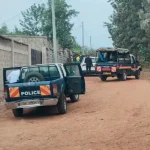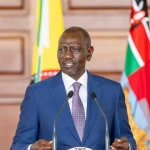

Tensions between the state and opposition figures have reached a fresh high following a firm directive from Interior Cabinet Secretary Kipchumba Murkomen. Responding to recent calls by Democracy for Citizens Party (DCP) leader Rigathi Gachagua urging supporters and youth to form civilian protection units for political rallies and election monitoring, CS Murkomen declared that the government will firmly reject any attempts to privatize national security.
Speaking during a public address, Murkomen emphasized that maintaining law, order, and public safety remains the exclusive constitutional mandate of the National Police Service (NPS) and established security agencies—not political vigilantes or organized youth groups.
1. The Trigger: Gachagua’s Call for Civilian Protection
The confrontation stems from statements made by former Deputy President Rigathi Gachagua during his nationwide tours across Central and Rift Valley regions. Citing alleged security lapses, disruptions at opposition gatherings, and suspicions of political intimidation, Gachagua urged his supporters—particularly young men—to take charge of protecting their rallies, businesses, and votes ahead of upcoming electoral contests.
Gachagua argued that opposition gatherings face state-sponsored disruption and that citizens have a right to defend their assemblies and democratic choices. However, government officials view the initiative as a dangerous step toward the creation of illegal political militias.
timeline of the security standoff
┌─────────────────────────────────────────────────────────────────────────┐
│ OPPOSITION RALLY CALLS │
│ Gachagua urges youth to organize civilian protection for meetings, │
│ businesses, and election monitoring. │
├─────────────────────────────────────────────────────────────────────────┤
│ SECURITY INTELLIGENCE BRIEFING │
│ Ministry of Interior reviews reports regarding political group formations │
│ and potential vigilante mobilization. │
├─────────────────────────────────────────────────────────────────────────┤
│ INTERIOR CS DIRECTIVE │
│ CS Kipchumba Murkomen issues a public warning (“Hatutakubali”), declaring│
│ policing remains an exclusive state mandate. │
├─────────────────────────────────────────────────────────────────────────┤
│ LAW ENFORCEMENT ACTION │
│ Inspector General of Police instructed to enforce strict measures │
│ against unauthorized security groups at political events. │
└─────────────────────────────────────────────────────────────────────────┘
2. Murkomen’s Rebuttal: “Security Is the Mandate of the State”
Interior CS Kipchumba Murkomen dismissed Gachagua’s appeal, warning that mobilizing private groups under the guise of security threatens national stability and invites lawlessness.
“Maintaining security and protecting life and property is the constitutional mandate of the National Police Service, not ordinary citizens or organized political groups. We will not allow anyone to build private security outfits to guard political events. Hatutakubali.”
— Kipchumba Murkomen, Cabinet Secretary for Interior & National Administration
Murkomen reiterated that any politician attempting to bypass law enforcement by deploying unvetted youth groups will face swift legal consequences. He instructed the Inspector General of Police and regional security commanders to maintain strict vigilance across public venues.
3. The Constitutional & Legal Implications
The debate touches on core provisions of the Constitution of Kenya regarding state authority and security operations:
┌──────────────────────────────┐
│ CONSTITUTIONAL FRAMEWORK │
│ (Article 239 & Article 243)│
└──────────────┬───────────────┘
│
┌────────────────────────┴────────────────────────┐
▼ ▼
┌──────────────────────────────┐ ┌──────────────────────────────┐
│ EXCLUSIVE STATE AUTHORITY │ │ PROHIBITION OF MILITIAS │
│ National Police Service holds│ │ No person or entity may │
│ sole mandate for civilian │ │ establish a private military │
│ protection & public order │ │ or armed security force │
└──────────────────────────────┘ └──────────────────────────────┘
Key Points of Contention:
Article 239 of the Constitution: Establishes the National Security Organs (KDF, NIS, NPS) as the sole institutions authorized to safeguard national security.
Prohibition of Illegal Outfits: Kenyan law explicitly prohibits the formation of private security forces, vigilante groups, or political protection squads.
Political Parties Act: Mandates that registered political parties operate peacefully without organizing, training, or equipping paramilitary wings.
Parameter State Position (Ministry of Interior) Opposition Position (DCP / Gachagua)
Primary Security Provider National Police Service (NPS) exclusively. Civilian self-defense and community monitoring.
Rally Safeguards Designated police officers assigned to public gatherings. Youth marshals and local protection squads.
Electoral Protection IEBC officials and state security agents. Volunteer vote-protection teams at polling stations.
Legal Risk Assessment Warns of militia formation and public disorder. Claims self-defense against political disruption.
4. Broader Political Impact on 2027 Mobilization
As political alignments shift ahead of the 2027 General Election, the dispute over rally security highlights escalating tension between the state apparatus and opposition coalitions.
Political analysts note that while political parties routinely deploy un-uniformed protocol marshals to manage crowd flow at major rallies, transforming these teams into organized defense forces crosses a sensitive line into national security territory.
With the Interior Ministry signaling zero tolerance for private security groups, upcoming political rallies across the country will serve as a key test of enforceability for law enforcement agencies.