

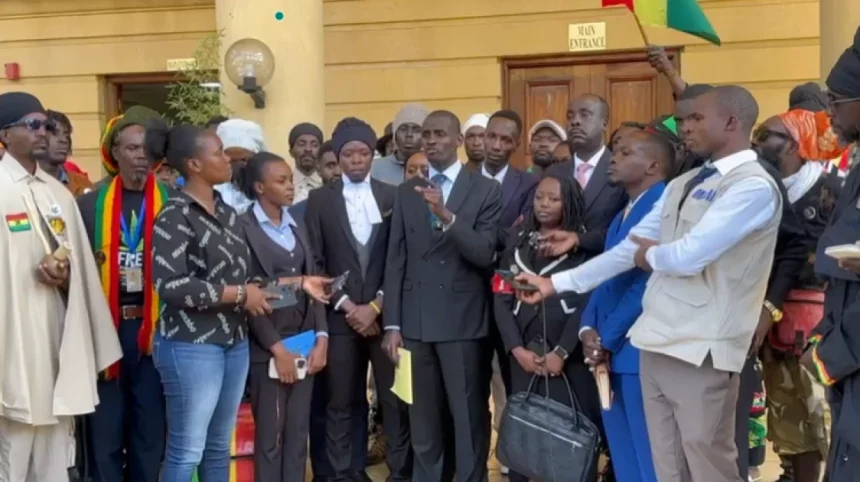
Kenya’s long-running debate over bhang legalisation has taken a significant turn after the National Authority for the Campaign Against Alcohol and Drug Abuse (NACADA) was formally enjoined in a court case filed by Rastafarians seeking the legalisation of cannabis for religious use.
The move signals the growing legal and policy implications surrounding drug reform, religious freedom, and public health in Kenya, as the case heads into a critical phase.
What the Case Is About
The petition, filed by members of the Rastafarian community, challenges Kenya’s long-standing criminalisation of bhang (marijuana). The petitioners argue that the ban violates their constitutional rights to freedom of religion, belief, and cultural expression.
Rastafarians consider cannabis a sacred herb used during worship and spiritual rituals. According to the petitioners, criminalising bhang unfairly targets their faith and exposes adherents to arrests, prosecution, and social stigma.
The court’s decision to enjoin NACADA means the agency will now actively participate in the proceedings, providing expert input on drug policy, public health, and substance abuse concerns.
Why NACADA Was Enjoined
NACADA is Kenya’s lead government agency responsible for coordinating efforts against alcohol and drug abuse. The court ruled that the authority’s involvement is crucial, given its mandate to:
Advise on drug policy
Conduct research on substance abuse
Coordinate national anti-drug strategies
By enjoining NACADA, the court aims to hear both sides of the debate — religious rights versus public health and social welfare.
Legal experts say NACADA’s participation could significantly influence the outcome of the case.
Rastafarians’ Argument in Court
The Rastafarian petitioners argue that:
Cannabis is central to their religious practice
The Constitution protects freedom of worship
Criminalisation disproportionately affects their community
They maintain that controlled use for religious purposes should be distinguished from recreational abuse.
According to the petition, Rastafarians are not advocating unrestricted access to bhang but rather regulated use within religious contexts.
“This is about religious freedom, not drug abuse,” one petitioner argued.
Kenya’s Current Cannabis Laws
Under Kenyan law, bhang remains illegal. Possession, cultivation, and trafficking of cannabis attract stiff penalties, including imprisonment and fines.
However, critics argue that the law has failed to curb usage while instead:
Fueling black markets
Criminalising users
Overburdening the justice system
The Rastafarians’ case challenges whether the law aligns with modern constitutional principles and evolving global attitudes toward cannabis.
NACADA’s Likely Position
While NACADA has not publicly detailed its submissions, experts anticipate the authority will emphasize:
Public health risks associated with cannabis use
Potential for addiction and mental health issues
Risks of abuse, especially among youth
NACADA is expected to argue that legalisation — even for religious use — could complicate enforcement and increase accessibility.
The agency may also present data linking cannabis use to social and health challenges, reinforcing the government’s cautious stance.
The Role of the High Court
The case is being heard before the High Court of Kenya, which has jurisdiction over constitutional matters.
The court will be tasked with balancing:
Individual and religious freedoms
Public interest and safety
State obligations to protect health
Legal scholars note that the ruling could set a powerful precedent, not only for cannabis policy but for how Kenya treats religious minority rights.
Global and Regional Context
Globally, several countries have softened cannabis laws, allowing use for:
Medical purposes
Religious practices
Industrial hemp production
In Africa, debates around cannabis legalisation are gaining momentum, with some countries exploring economic and medicinal benefits.
Kenyan activists argue that the country risks being left behind in drug policy reform discussions if it fails to review outdated laws.
Public Opinion Divided
The case has sparked mixed reactions among Kenyans. Supporters argue that:
Adults should have freedom of belief
Regulation is better than criminalisation
Courts should protect minority rights
Opponents counter that:
Cannabis abuse harms youth
Legalisation could normalize drug use
Kenya is not ready for such reforms
The debate reflects broader societal tensions between tradition, law, and evolving global norms.
Implications If Rastafarians Win
If the court rules in favor of the Rastafarians, potential outcomes could include:
Legal exemption for religious cannabis use
Review of narcotics laws
New regulatory frameworks
Such a ruling could open doors for further cannabis-related litigation, including medical marijuana advocacy.
Implications If the Petition Fails
If the petition is dismissed, cannabis will remain illegal, reinforcing NACADA’s role in enforcing strict drug laws.
However, legal analysts say the debate is unlikely to end, as pressure for reform continues to grow from civil society and rights groups.
Why This Case Matters
This is not just a cannabis case — it is a constitutional test of how Kenya balances religious freedom with public health.
The decision could:
Shape future drug policy
Redefine religious rights
Influence law enforcement practices
It also reflects Kenya’s evolving democracy and willingness to confront sensitive social issues through the courts.
Conclusion
The decision to enjoin NACADA in the Rastafarians’ case seeking bhang legalisation marks a pivotal moment in Kenya’s legal and social landscape.
As the High Court weighs arguments from both sides, the outcome could redefine how the country approaches cannabis, religious freedom, and drug policy.