

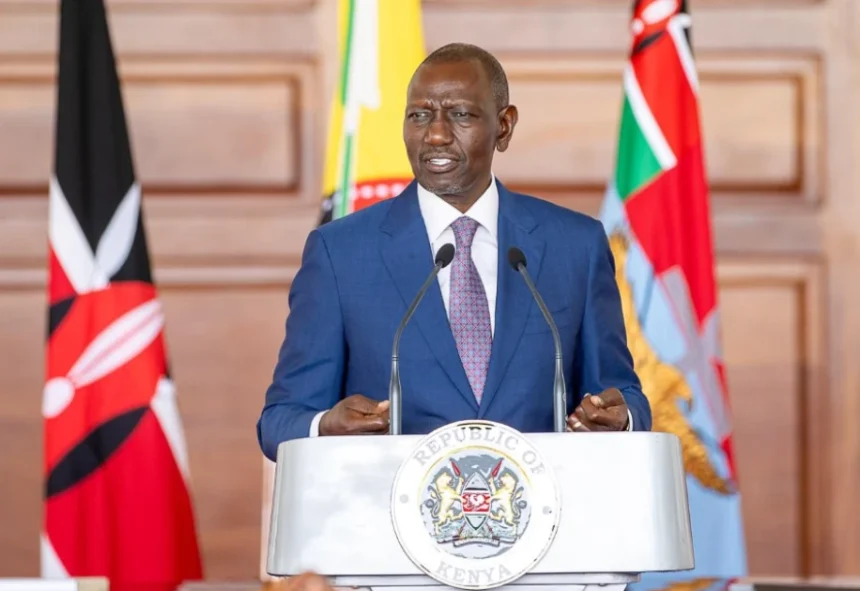
Kenya’s Fuel Crisis: Everything the Government Says It Has Done to Cushion Kenyans So Far
The fuel crisis gripping Kenya has been one of the most pressing economic challenges facing ordinary citizens, affecting everything from transport costs to food prices. With petrol and diesel prices skyrocketing over the past months, Kenyans have felt the squeeze in their pockets harder than ever before. But what exactly has the government done to provide relief? This comprehensive guide breaks down all the measures implemented so far.
## Understanding Kenya’s Fuel Crisis: The Problem at Hand
Before diving into solutions, it’s crucial to understand the magnitude of the problem. Kenya’s fuel prices have surged due to multiple factors: global oil price fluctuations, currency depreciation, increased taxation, and supply chain disruptions. The ripple effects have been devastating—public transport fares have doubled, businesses have reduced operations, and household budgets have been stretched thin.
For an average Kenyan family, fuel costs now consume a significant portion of monthly income. This crisis has prompted urgent government intervention, with various measures introduced to cushion citizens from the worst impacts.
Government Fuel Subsidy Programs: Direct Relief Measures
1. The Fuel Subsidy Scheme
The Kenyan government implemented a direct fuel subsidy program aimed at reducing pump prices. Under this scheme, the government absorbs a portion of fuel costs to prevent prices from reaching unsustainable levels. The subsidy works by:
Capping pump prices at predetermined levels set by the Energy and Petroleum Regulatory Authority (EPRA)
Absorbing the difference between global oil prices and the subsidized retail price
Providing monthly allocations to oil marketers to ensure continuous supply
This measure has been credited with preventing fuel prices from reaching even more astronomical levels, though citizens continue to feel the burden.
2. Reduction in Fuel Levy and Taxes
The government has periodically adjusted taxes on fuel products. Key tax relief measures include:
Waived or reduced excise duty on petroleum products during peak crisis periods
Reduced Value Added Tax (VAT)on fuel to lower retail prices
Temporary removal of other levies that were previously added to fuel costs
These tax adjustments were designed to provide immediate relief at the pump, making fuel more affordable for the average Kenyan.
Regulatory Measures and Price Controls
Government Price Setting
EPRA has been working closely with the government to regulate fuel pricing. The authority implements:
Bi-weekly or monthly price reviews to monitor market conditions
Price stabilization mechanisms to prevent sudden spikes
Investigations into unfair pricing by oil marketing companies
Mandatory reporting requirements for fuel dealers to ensure transparency
These regulatory steps aim to create a more stable and predictable fuel market for consumers.
Supply Chain Management
The government has focused on ensuring consistent fuel supply by:
Negotiating strategic oil reserves with international partners
Securing alternative fuel suppliers to reduce import dependence
Streamlining customs procedures to reduce delays in fuel importation
Engaging with regional trading partners for better supply agreements
Transport and Public Sector Relief
Public Transport Subsidy
Recognizing the impact on public transportation, the government has introduced measures to:
Support public transport operators with subsidies to prevent fare hikes
Maintain affordable fares for ordinary Kenyans relying on matatus and buses
Promote public transportation usage as a cost-effective alternative
Government Fleet Optimization
The government has also optimized its own fuel consumption by:
– **Reducing official fleet sizes** where possible
– **Implementing fuel efficiency standards** for government vehicles
– **Promoting carpooling** among government employees
– **Investing in electric vehicle adoption** for long-term fuel independence
## Long-Term Solutions and Strategic Initiatives
### Infrastructure Development
The government has committed to long-term solutions through infrastructure projects:
– **Oil refinery expansion and modernization** to reduce import dependency
– **Pipeline development projects** to improve fuel distribution efficiency
– **Port infrastructure improvements** to speed up fuel importation
### Energy Diversification Programs
Beyond just petroleum management, the government is investing in alternative energy sources:
– **Solar energy promotion** for transportation and industrial use
– **Biofuel development initiatives** to create domestic fuel alternatives
– **Renewable energy investments** to reduce overall fossil fuel dependence
### Subsidy Rationalization Plans
While short-term subsidies provide immediate relief, the government has outlined plans to:
– **Gradually phase out subsidies** as market conditions improve
– **Implement targeted support** for vulnerable populations instead of universal subsidies
– **Introduce cash transfer programs** for lower-income Kenyans to help with fuel and transport costs
## Challenges and Criticisms
Despite these measures, the government’s response hasn’t been without criticism:
– **Subsidies’ fiscal burden** strains the national budget and crowds out other development spending
– **Questions about sustainability** of long-term subsidy programs
– **Concerns about implementation** and whether all cushioning measures reach ordinary Kenyans
– **Calls for more transparency** in how relief funds are distributed
## What Kenyans Are Saying
Citizens have mixed reactions to government interventions. While subsidies are appreciated, many argue that:
– More aggressive action is needed to address root causes
– Transparent communication about crisis duration would help planning
– Additional support for small businesses affected by rising costs
– Investment in public transportation infrastructure needs acceleration
What’s Next? Government Plans Ahead
The government has signaled its commitment to:
Continuous monitoring of global fuel markets
Adjustment of policies based on real-time market conditions
Investment in strategic oil reserves for future crisis prevention
Implementation of fuel efficiency standards across all sectors
Acceleration of renewable energy projects to reduce fuel dependence
Key Takeaways
Kenya’s government has implemented multiple measures to cushion citizens from the fuel crisis through:
1. Direct subsidies on fuel products
2. Tax reductions and levy waivers
3. Price regulation by EPRA
4. Supply chain management improvements
5. Transport sector support
6. Long-term infrastructure investments
Alternative energy development
While these measures provide some relief, the fuel crisis remains a challenge requiring sustained government attention and investment.
How Are You Managing?
The fuel crisis affects every Kenyan differently. Whether you’re a driver, business owner, or commuter, finding ways to adapt is crucial. Consider:
– Carpooling or using public transport
– Planning efficient routes to reduce fuel consumption
– Supporting government efforts toward renewable energy
– Staying informed about policy changes
Call to Action
Stay updated on Kenya’s fuel crisis developments.Government measures continue to evolve as the situation changes. Subscribe to our blog for regular updates on:
– Government policy changes
– Tips for managing fuel costs
– News on alternative energy solutions
– Economic relief program announcements
*Have you been affected by the fuel crisis? Share your experiences and suggestions in the comments below. Your voice matters in shaping policy discussions.