
The painful passing of rising gospel star Rachel Muthoni Wandeto has sparked massive public fury, triggering intense civil demonstrations and blocking major transit routes across Nairobi. Thousands of human rights activists, fellow gospel musicians, and distraught citizens have poured into the streets, turning the tragic murder into a highly visible national symbol against the staggering rise of gender-based violence (GBV) and femicide in Kenya.
Chanting slogans and waving placards demanding an end to systemic violence against women, protesters marched forcefully from the central business district toward the Directorate of Criminal Investigations (DCI) headquarters and Vigilance House. The severe public backlash follows the horrific nature of Wandeto’s attack in Mwiki, Kasarani, where she was doused in petrol and set on fire by masked assailants, ultimately dying from catastrophic third-degree burns.
YouTube
Activists Block Roads: “We Are Tired of Mourning!”
The demonstrations, organized by a joint coalition of digital human rights networks and local women’s shelters, brought traffic along Thika Superhighway and sections of Kiambu Road to a complete standstill. Protesters clad in black clothing carried white crosses bearing Rachel’s name, creating a solemn yet deeply rebellious presence outside government security offices.
Addressing the media outside the DCI main gates, civil rights leaders lambasted national security agencies for failing to implement proactive protection frameworks for women facing targeted harassment and community threats.
Shifting Trends in National Violence
Human rights databases tracking localized crimes indicate an alarming escalation in brutal domestic and societal attacks across urban settings:
Weekly Casualties: Activists presented local data indicating that an average of eight women lose their lives weekly to severe gender-based violence incidents in Kenya.
YouTube
Low Prosecution Rates: Out of seventy major GBV cases reported weekly to regional stations, fewer than 15% successfully progress to formal court trials due to compromised evidence collections.
The Demand for Special Courts: Lobby groups are demanding the immediate creation of specialized fast-track judicial courts specifically designed to address femicide.
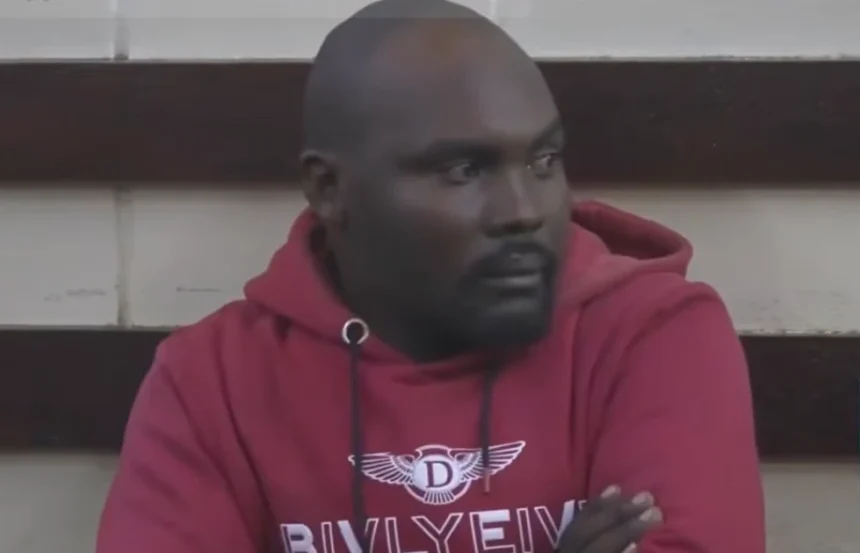
The crowd demanded that the police service go beyond detaining the local taxi driver currently in custody, pushing for the immediate identification and apprehension of the remaining masked executioners who physically executed the arson attack.
The Family Breaks Silence: “Keep Politics Out of Our Grief”
As the political class moves aggressively to control the narrative surrounding Rachel’s death, her immediate family has broken their silence to issue an urgent, emotional plea to the public and political commentators. Rachel’s viral history—particularly her decision to get a prominent tattoo of President William Ruto on her arm alongside open political endorsements—has turned her tragic death into a toxic political battleground.
While some political factions are quick to categorize the killing as a politically motivated assassination fueled by intolerance, the Wandeto family has firmly pushed back against these unverified claims. Speaking from their home during a grief counseling briefing, the family spokesperson expressed deep disappointment over how online platforms have weaponized Rachel’s personal choices.
“Our sister was a beautiful, talented young woman who loved God, her music, and her country. She was not a political pawn,” her sister stated tearfully. “We are asking bloggers, politicians, and social media influencers to show some respect for our mother’s pain. Do not use Rachel’s tattoo or her political stances to fight your battles while we are preparing to bury her. Let the DCI do its job.”
The family emphasized that they are looking strictly for the absolute, unvarnished truth regarding who attacked Rachel and why, refusing to let the search for real justice get lost in partisan social media arguments.
A Crucial Turning Point for the Creative Industry
The tragic loss has sent shockwaves through the local gospel and creative arts community. Wandeto was widely recognized by her industry peers as a resilient, hard-working independent artist who used her digital platforms to uplift young people in the informal settlements of Kasarani and Mwiki.
Prominent gospel leaders who joined the protest marches noted that independent female artists are increasingly facing severe economic extortion and physical vulnerability as they navigate the informal media spaces. Many are calling for institutional creative associations to build emergency safety nets and safe houses where artists facing immediate real-world threats can seek temporary protection.
As the state faces growing pressure from both international human rights organizations and local electoral voting blocs, the management of the Rachel Wandeto case will serve as a definitive test of the government’s commitment to protecting vulnerable citizens. With civil society groups promising to sustain weekly peaceful marches until all accomplices are brought to an open courtroom, the national conversation surrounding public safety, corporate political responsibility, and corporate liability has irrevocably changed.
To fully understand the perspective of those closest to the deceased and hear their direct statements, you can watch Rachel Wandeto’s family response to the murder claims. This video broadcast details the family’s official stance as they push back against viral online rumors and call for a peaceful, unbiased investigation by the DCI.