

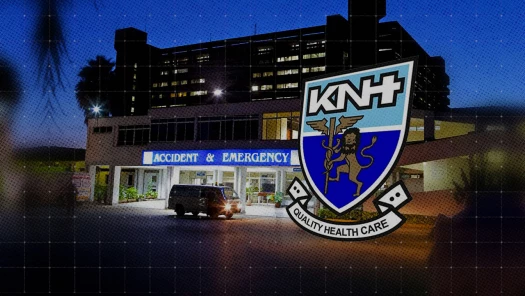
In a stunning courtroom development that closes a nearly decade-long legal saga, four Kenyatta National Hospital (KNH) nurses have been set free after being charged with the murder of a patient in 2015. The ruling, delivered by High Court Judge [Judge’s Name], cited a catastrophic failure by the prosecution to present credible evidence linking the nurses—Christine Chepchumba, Margaret Achieng, Lynette Chepkoech, and Faith Cheruto—to the death of patient John Nderitu. This acquittal doesn’t just end the nightmare for the accused; it ignites a fierce national debate on prosecutorial accountability, the state of forensic evidence in Kenya, and the immense pressure on healthcare workers in a broken system. This blog unpacks the verdict, its implications, and the profound questions it leaves hanging over Kenya’s largest referral hospital and its justice system.
Section 1: The Case That Crumbled: The Prosecution’s Fatal Flaws
The judge’s ruling was a scathing indictment of the Director of Public Prosecutions’ (DPP) case.
The Core Failure: No Causative Link. The prosecution could not prove how the nurses’ actions directly caused the patient’s death. The post-mortem report was inconclusive on the exact cause, and no forensic evidence (toxicology, etc.) was presented to show they administered a lethal substance.
Contradictory and Unreliable Witnesses: Key witnesses, including fellow medical staff, contradicted themselves and each other on the stand. Their testimonies were deemed inconsistent and insufficient to prove guilt beyond a reasonable doubt—the bedrock of criminal justice.
Procedural Lapses and Lost Evidence: The court noted critical gaps in the chain of custody for any potential evidence and investigative delays so severe they compromised the case. It painted a picture of a shoddy, rushed investigation from the start.
The “Scapegoat” Narrative Upheld: The defense successfully argued that the nurses were convenient scapegoats for a systemic failure at KNH. The death was a tragedy, but charging individuals without concrete evidence was an attempt to placate public outrage over the hospital’s broader challenges.
Section 2: The Human Toll: Nine Years in Limbo
The acquittal brings a bittersweet end to a personal hell for the four women.
Careers and Lives Destroyed: For nearly a decade, these trained medical professionals lived under the shadow of a murder charge. Their licenses were suspended, careers frozen, and reputations publicly shattered. Rebuilding will be an immense challenge.
Psychological Trauma and Stigma: Enduring a murder trial, media vilification, and social stigma for nine years is a form of prolonged psychological torture. The “not guilty” verdict erases legal guilt but cannot erase the trauma or the whispers that may follow.
The Quest for Restoration: Will the Nursing Council of Kenya reinstate their licenses? Will KNH offer them their jobs back or compensation? Their fight for professional and personal restoration begins now.
Section 3: Systemic Echoes: KNH, Healthcare, and Justice Under Scrutiny
This case acts as a stark X-ray of multiple failing systems.
KNH’s Chronic Crisis: The case originally erupted amidst public fury over alleged negligence and poor management at KNH. This acquittal refocuses attention on the institutional and systemic failures—underfunding, overcrowding, supply shortages, and managerial gaps—that create the conditions where tragedies occur.
The DPP’s Credibility Crisis: This is a high-profile embarrassment for the Office of the Director of Public Prosecutions. It raises questions about the quality of case vetting, witness preparation, and forensic reliance. Were these nurses charged due to public pressure rather than prosecutorial merit?
Healthcare Workers as Canon Fodder: The case will deepen the fear among nurses and doctors that they can be criminally liable for patient outcomes in a resource-starved system beyond their control. This exacerbates low morale and could worsen the brain drain.
Section 4: Unanswered Questions and the Path Forward
The gavel has fallen, but the story is far from over.
Who is Truly Accountable for John Nderitu’s Death? If not the nurses, what combination of systemic failures led to the tragedy? The family is left without legal closure or answers.
Will There Be a Malpractice or Systemic Inquiry? The Ministry of Health and KNH management must now address the root causes this case exposed, not just the legal outcome.
Compensation for the Acquitted? Is there a legal and moral case for the state to compensate the four nurses for wrongful prosecution and destroyed livelihoods?
Reform of Medical Prosecutions: There is an urgent need for clearer protocols and expert oversight when investigating patient deaths in hospitals to distinguish between criminal acts, malpractice, and systemic accidents.
Conclusion: A Verdict of “Not Guilty,” A Judgment of Systemic Failure
The acquittal of the four KNH nurses is a legal victory for them, but a stinging judgment on Kenya’s prosecutorial and healthcare systems. It reveals a justice system capable of ruining lives for nine years on a flimsy case, and a health system so troubled that its front-line workers can be easily cast as villains for its sins.
As these four women walk free, they carry the weight of a lost decade. Their freedom is a relief, but it is not justice in full. True justice would be a system that protects patients through robust healthcare, supports healthcare workers with resources, and pursues prosecutions with rigor, not rhetoric.
Let this be the last time medical professionals are put on trial for the failures of the state.