

Anger and frustration erupted among matatu crews across Kenya after transport union leaders unexpectedly called off the highly anticipated nationwide strike that had been planned to protest rising fuel prices and the increasing cost of doing business.
The decision to suspend the strike came shortly after transport representatives held talks with government officials, leading to accusations from drivers, conductors, and boda boda operators who claimed their leaders had abandoned the struggle without proper consultation.
The strike had threatened to paralyze transport services in major towns including Nairobi, Mombasa, Kisumu, Nakuru, and Eldoret, as operators protested against soaring diesel and petrol prices.
However, after hours of closed-door discussions with the government, union leaders announced that the strike had been suspended to allow more negotiations on fuel pricing and transport concerns.
The sudden announcement triggered outrage among many transport workers who had already prepared for demonstrations and service disruptions.
Crews Say Leaders Failed Them
Several matatu crews accused their leaders of surrendering too quickly and failing to secure meaningful solutions before calling off the protest.
Drivers and conductors who spoke in different stages across Nairobi claimed they had expected the strike to continue until the government introduced immediate reductions in fuel prices and transport levies.
Some crews said they only learned about the suspension through social media and radio announcements, leaving many feeling excluded from decisions that directly affect their livelihoods.
Others accused union officials of being compromised after meeting senior government leaders.
“We were fully ready for the strike because fuel prices are killing our business. Suddenly they tell us everything has been called off without consulting us,” one angry conductor in Nairobi said.
Another driver claimed transport workers were continuing to suffer while leaders enjoyed meetings with politicians behind closed doors.
The accusations exposed growing divisions within the transport sector as frustration over rising operating costs continues to increase.
Fuel Prices Continue Hurting Operators
The planned strike had largely been fueled by complaints over the rising cost of diesel and petrol, which transport operators say has made business increasingly difficult.
Many matatu owners and crews argue that fuel prices have continued to rise faster than passenger fares, reducing profits and making it difficult to maintain vehicles.
Some operators claim they are now spending almost double on fuel compared to previous years while still struggling with expensive spare parts, county fees, insurance costs, and daily operational expenses.
The pressure has forced many transport operators to increase fares, sparking frustration among commuters already struggling with the high cost of living.
Boda boda riders have also complained that expensive fuel has reduced their daily earnings significantly.
Transport workers say without government intervention, many operators could eventually be pushed out of business.
Government Promises New Measures
The government defended the decision to hold talks with transport leaders, saying discussions are ongoing to find solutions that will protect both operators and consumers.
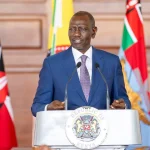
President William Ruto recently announced additional measures aimed at cushioning Kenyans from the effects of the fuel crisis, including plans to reduce diesel prices further in the next pricing review cycle.
Government officials insist billions of shillings have already been used through fuel stabilization programs to prevent even higher fuel prices.
According to the administration, continued subsidies and tax adjustments are helping shield Kenyans from the full impact of global oil price increases.
Officials also urged transport workers to remain calm and avoid actions that could disrupt public transport services across the country.
Commuters Relieved After Strike Suspension
While many transport crews expressed disappointment, thousands of commuters welcomed the cancellation of the strike.
In Nairobi and other towns, many workers feared they would be stranded if matatus and buses stopped operating.
Some schools and businesses had already prepared for possible disruptions before the strike was suspended.
Following the announcement, transport services continued normally in most parts of the country, although some operators briefly staged protests at bus terminals and stages.
Commuters, however, continue to complain about high transport fares which have remained elevated despite government promises to reduce fuel prices.
Many Kenyans say the cost of daily travel has become unaffordable, especially for low-income earners who rely heavily on public transport.
Divisions Emerging Within Transport Sector
The strike controversy has revealed deeper frustrations within Kenya’s transport industry.
Some transport workers are now demanding reforms within unions and associations representing matatu operators and crews.
Critics claim some leaders have become too close to politicians and government officials, weakening their ability to fight for workers’ interests effectively.
Others have called for fresh leadership elections and more transparency in negotiations involving the transport sector.
Despite the disagreements, several union officials defended the decision to suspend the strike, arguing that dialogue remains the best solution.
They insisted the government had shown willingness to address concerns raised by transport operators and promised more consultations moving forward.
What Happens Next?
Transport operators and crews are now waiting to see whether the government will deliver on promises to lower fuel prices and ease pressure on the sector.
Many workers say they are ready to resume demonstrations if meaningful action is not taken soon.
Meanwhile, economic experts warn that continued fuel price instability could increase pressure on transport costs and the overall cost of living in Kenya.
For now, the suspension of the nationwide strike has temporarily eased fears of major transport disruptions, but tensions within the matatu industry remain high.
As fuel prices continue dominating national conversations, both commuters and transport workers are hoping for long-term solutions that can stabilize the economy and reduce financial pressure on ordinary Kenyans.