

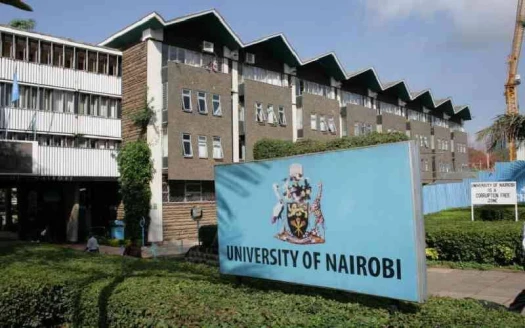
Kenya’s premier institution of higher learning, the University of Nairobi (UoN), is once again in the grip of intense internal strife. Fresh leadership wrangles at UoN have erupted into the open, centering on a contentious recruitment standoff that has pitted the university council against senior administrators and academic staff. This latest crisis threatens to paralyze operations, damage the institution’s reputation, and derail the academic calendar, raising urgent questions about governance and stability in Kenya’s flagship university. This blog delves into the roots of the conflict, the key players involved, and the potential fallout for students, staff, and the future of public university education in Kenya.
Section 1: The Heart of the Storm: The Recruitment Impasse
The immediate trigger for the current crisis is a deadlock over the hiring of key personnel.
The Council’s Mandate vs. Management’s Prerogative: The UoN Council, led by Chairperson Prof. [Amend with current name, e.g., “Julia Ojiambo”], is insisting on direct oversight and final approval of all senior appointments, citing financial prudence and strategic alignment. University management, however, argues this micro-management violates the Universities Act and the principles of academic and administrative autonomy.
Frozen Positions: Dozens of critical positions—including Deputy Vice-Chancellors (DVCs), Registrars, Deans, and Directors—remain vacant or are filled by acting officials, creating a leadership vacuum and decision-making bottlenecks.
Allegations of Favouritism vs. Demands for Merit: Each side accuses the other of ulterior motives. The council suspects management of nepotism and tribal cartels in recruitment, while management and staff unions accuse the council of political interference and an attempt to install pliant officers.
Section 2: Key Actors in the Power Struggle
Understanding the factions is key to understanding the conflict.
The University Council: Appointed by the government, they hold ultimate fiduciary and governance responsibility. Their push for control is framed as necessary for reform and accountability.
The Vice-Chancellor’s Office: Led by VC Prof. [Amend with current name, e.g., “Stephen Kiama”], management views the council’s actions as an overreach that stifles daily operations and undermines their authority.
The Academic Staff Union (UASU UoN Chapter): The powerful lecturers’ union has largely sided with management, viewing the council’s interference as a threat to academic freedom and a precursor to unfair staff reviews and layoffs.
The Ministry of Education: The silent but potent arbiter. Cabinet Secretary Ezekiel Machogu and the Commission for University Education (CUE) are under pressure to intervene and broker a solution.
Section 3: Historical Context & The Recurring Crisis
This is not UoN’s first leadership battle. The institution has a long history of similar wrangles.
A Pattern of Conflict: From the controversies surrounding the exit of former VC Prof. Peter Mbithi to the battles over council composition, UoN has been a persistent theatre for power struggles between the state (via the council) and the academic establishment.
The Financial Sustainability Ghost: Underlying every conflict is the chronic underfunding of public universities. The fight over recruitment is often a proxy war over control of scarce resources and lucrative contracts.
Student Impact: Past crises have led to delayed admissions, postponed exams, and disrupted semesters. The current standoff risks a repeat, affecting over 70,000 students.
Section 4: Potential Resolutions and the Path Forward
How can this impasse be broken?
Clarification of Mandates: The Cabinet Secretary for Education may need to issue a directive or seek an Attorney General’s opinion to clearly delineate the boundaries between the Council’s governance role and Management’s administrative authority, as per the Universities Act, 2012.
Mediation: A neutral mediation team comprising respected elders from the education sector, such as former VCs or retired judges, could be appointed to broker a ceasefire and a transparent recruitment framework.
Staff & Student Advocacy: The UoN Students Association (SONU) and staff unions must move beyond taking sides and jointly advocate for a swift, fair resolution that prioritizes institutional stability and the academic calendar.
Conclusion: Saving Kenya’s Ivory Tower from Itself
The new leadership wrangles at the University of Nairobi are more than an administrative dispute; they are a symptom of a deeper crisis in the governance of public universities in Kenya. When the country’s most prominent university is consumed by boardroom battles, it betrays the hopes of students and the public’s trust. A lasting solution requires moving from a culture of control to one of collaborative governance, where transparency, meritocracy, and the core mission of teaching and research are paramount. The time for brinkmanship is over; the time for saving Kenya’s iconic “Hill of Knowledge” is now.
The future of a generation of leaders depends on it.