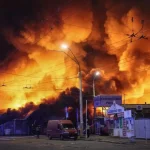


As midnight passes and the Transport Sector Alliance officially downs tools, the immediate visual manifestation of the nationwide strike is a ghost town of empty bus termini and stranded commuters. But away from the chaotic street corners of Nairobi, Mombasa, and Kisumu, a far more structured and devastating crisis is quietly unfolding across Kenya’s balance sheets.
The transport sector is the literal circulatory system of the Kenyan economy. It moves the labor that powers factories, transfers the fresh agricultural produce that feeds urban blocks, and carries the heavy import cargo that anchors the entire East African hinterland.
When this sector pulls its handbrake, the financial losses don’t accumulate gradually—they strike like an earthquake.
Economists estimate that a comprehensive, multi-sector transport shutdown costs the country upwards of Ksh 8 billion to Ksh 10 billion daily in lost productivity, wasted logistical hours, and halted trade transactions. As the standoff over the Energy and Petroleum Regulatory Authority’s (EPRA) fuel price hikes intensifies, we look at the structural macroeconomic fractures triggered by this historic strike.
1. The Commuter Credit Crunch: Micro-Losses in the Informal Sector
The most immediate victim of the transport freeze is the informal economy, colloquially known as the Jua Kali sector, which employs over 80% of the country’s workforce. Unlike salaried corporate workers who can fluidly transition to working from home via digital networks, the survival of informal traders relies entirely on physical presence.
The Commuter Disruption Value Chain
[No Public Transport Availablity]
↓
[Labor Deficit in Urban Industrial Hubs]
↓
[Zero Daily Revenue for Informal Traders/SMEs]
↓
[Severe Dip in Daily Velocity of M-Pesa & Cash Circulation]
When matatus grind to a halt, open-air markets like Gikomba, Muthurwa, and Kongowea lose access to both their suppliers and their customers. The Matatu Owners Association (MOA) alone accounts for the movement of over 7 million commuters daily. The absolute stoppage of this human traffic means millions of shillings in daily micro-transactions are completely wiped off the table, abruptly freezing the velocity of money in low-income urban settlements.
2. Choking the Northern Corridor: Regional Logistics in Jeopardy
The economic impact of this industrial action extends far beyond Kenya’s borders. Through the Truckers Association of Kenya (TAK) joining the strike coalition, the entire Northern Corridor—the vital transport artery linking the Port of Mombasa to Uganda, Rwanda, Burundi, South Sudan, and the eastern Democratic Republic of the Congo—has been effectively choked.
Mombasa Port handles thousands of containers daily destined for landlocked regional neighbors. Under standard operational conditions, an uninterrupted stream of heavy commercial haulage trucks moves these goods inland.
The Regional Supply Chain Stagnation
• Port Stagnation: Containers pile up at the Mombasa port, triggering expensive demurrage charges for clearing agents and shipping lines.
• Factory Stoppages: Manufacturers in Kampala and Kigali face immediate supply shocks as raw materials remain trapped in transit lines.
• Perishable Expiration: Millions of shillings worth of agricultural and fresh produce destined for regional export centers face spoilage in stationary refrigerated units.
If the Truckers Association maintains its road lockdown for more than 48 hours, the logistics backlog will take weeks to clear. This structural vulnerability risks damaging Kenya’s strategic status as the preferred maritime gateway for East Africa, potentially pushing regional neighbors to rely more heavily on the Central Corridor through Tanzania.
3. The Fiscal Strain on the National Treasury
While the transport sector strikes to protest government taxation built into fuel prices, the strike itself inflicts deep, immediate damage on state revenue collection. The National Treasury relies on a predictable daily stream of tax inputs to service national debt obligations and fund recurrent government expenditures.
A prolonged transport shutdown cuts state revenue through multiple avenues:
Fuel Levy Deficit: With thousands of matatus, trucks, and digital taxis parked, fuel consumption plummets. This triggers an immediate, sharp drop in collection for the Fuel Levy, Value Added Tax (VAT) on petroleum, and the Petroleum Development Levy.
Diminished Income and VAT Streams: As retail businesses close their doors due to missing staff and disrupted supply chains, general corporate and consumer VAT collections take a massive hit.
The Vicious Fuel Subsidy Cycle: The alliance’s demand for the government to aggressively deploy more billions from the Petroleum Development Levy Fund to artificially suppress prices creates a fiscal trap. Every shilling used to stabilize fuel is a shilling diverted away from infrastructure development or debt servicing.
4. Supply Chain Inflation and the Looming Cost of Living Spike
Even when the strike is eventually called off, the economic hangover will persist for months. The Transport Sector Alliance has already authorized an immediate 50% increase in baseline fares for operators returning to work to compensate for the Ksh 242-per-litre diesel reality.
This structural price adjustment will trigger a painful round of supply chain inflation.
Logistics companies will permanently increase their freight charges to distributors, wholesalers will adjust their margins, and retail supermarkets will pass the ultimate bill to the consumer. The price of basic household staples—such as maize flour, cooking oil, and sugar—will inevitably rise, further straining the household budgets of a population already struggling with a rising cost of living.
Conclusion: The Urgency for a Compromise
The nationwide transport strike serves as a stark, structural reminder that the transport sector cannot be treated as a passive revenue collection cow for the state. It is an active economic engine that requires sustainable, predictable operating conditions to thrive.
As the High Court reviews petitions against EPRA and the state structures its response from the boardrooms of the National Treasury, the ticking clock of the strike continues to bleed billions from the economy. For the sake of national stability, supply chain survival, and regional trade security, the government and transport stakeholders must find an urgent, middle-ground compromise before temporary transport 4friction hardens into a permanent economic recession.