

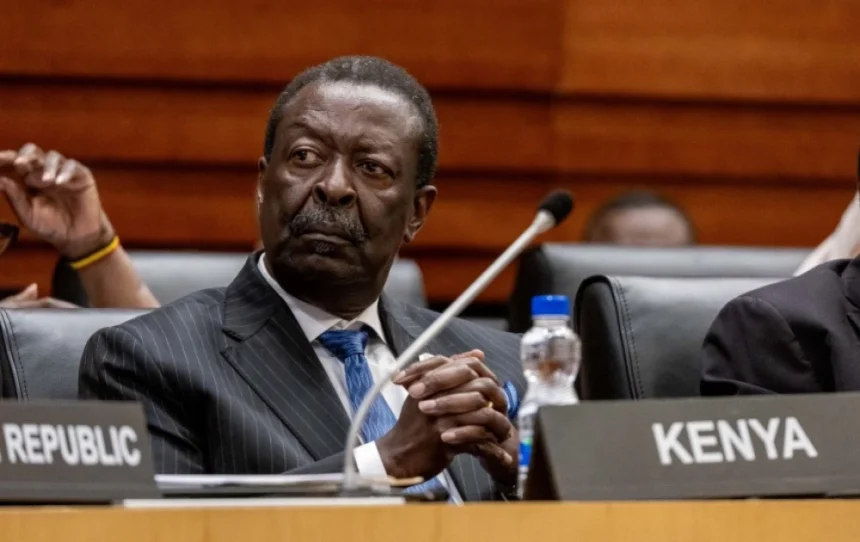
Following weeks of diplomatic tension, parliamentary scrutiny, and uncertainty over the future of bilateral defense cooperation, the Republic of Kenya and the United Kingdom reached a groundbreaking consensus to resume joint military training exercises. The breakthrough—confirmed by Prime Cabinet Secretary and Cabinet Secretary for Foreign and Diaspora Affairs Musalia Mudavadi alongside the UK Ministry of Defence—clears the path for the long-standing Exercise Haraka Storm to proceed at the British Army Training Unit Kenya (BATUK) in Laikipia County as originally scheduled between September and November 2026.
This strategic resolution follows intense public and political debate triggered by the sudden announcement that the 2026 iteration of the six-week combat training program would be relocated outside Kenya due to unissued operational and environmental licenses. Behind what initially appeared to be a routine administrative delay lay a complex intersection of constitutional sovereignty, parliamentary oversight, historic human rights grievances, and regional security imperative.
This comprehensive report digs deep into the timeline of the standoff, the legal framework at the center of the dispute, the economic stakes for the host communities in Nanyuki, and what this renewed agreement signifies for the future of Geopolitics in East Africa.
1. Timeline of the Crisis: From Abrupt Cancellation to Diplomatic Breakthrough
The crisis came to light when the UK Ministry of Defence revealed that “Exercise Haraka Storm”—a flagship infantry training maneuver involving thousands of British and Kenyan troops—would be moved to an alternative location outside Kenya. According to British military authorities, the decision was made “with regret” after key environmental and operational licenses failed to materialize before rigid military planning deadlines.
┌────────────────────────────────────────────────────────────────────────┐
│ TIMELINE OF THE KDF-BATUK STALEMATE │
├─────────────────┬──────────────────────────────────────────────────────┤
│ Date │ Event / Development │
├─────────────────┼──────────────────────────────────────────────────────┤
│ Nov 2025 │ Kenyan Parliament completes 2-year inquiry into BATUK│
│ Mid-July 2026 │ UK MOD announces Exercise Haraka Storm relocation │
│ July 24, 2026 │ Kenya denies end of pact; cites Defense Pact review │
│ July 26, 2026 │ MP Nelson Koech clarifies legal & sovereignty issues │
│ July 28, 2026 │ Joint agreement reached; Licenses issued for training│
└─────────────────┴──────────────────────────────────────────────────────┘
The announcement caused immediate anxiety in diplomatic circles and sent shockwaves through Laikipia and Nyeri counties. Reports quickly circulated alleging that political interference, bureaucratic inertia, or corruption demands might have stalled the licensing process.
However, senior officials in Nairobi quickly moved to contextualize the situation. The Office of the Prime Cabinet Secretary issued statements reaffirming that the broader Kenya-UK Defence Cooperation Agreement (DCA) remained solid, but emphasized that all foreign defense deployments must conform strictly to the 2010 Constitution of Kenya and parliamentary oversight procedures.
By July 28, intense bilateral dialogue yielded a positive breakthrough. Prime Cabinet Secretary Musalia Mudavadi announced that the Kenyan government had approved the necessary permits. In response, the UK Ministry of Defence confirmed that rapid logistics planning by the British Army would allow Exercise Haraka Storm to take place in Laikipia within its original timeline.
2. Core Legal Issues Behind the Stalemate
While surface-level commentary blamed administrative sluggishness, the core issue centered on Kenya’s evolving legal standards regarding foreign military forces operating within its borders.
The National Assembly’s Departmental Committee on Defense, Foreign Affairs, and Intelligence, chaired by Belgut MP Nelson Koech, had conducted a exhaustive two-year inquiry into BATUK’s operational footprint, submitting its final report in late 2025. The committee’s findings established a firm parliamentary doctrine: defense partnerships must be anchored on mutual accountability, strict legal equality, and respect for Kenyan legal jurisdiction.
┌────────────────────────────────────────┐
│ CORE LEGAL & POLICY FRICTIONS │
└───────────────────┬────────────────────┘
│
┌───────────────────────────────┼───────────────────────────────┐
▼ ▼ ▼
┌──────────────────┐ ┌──────────────────┐ ┌──────────────────┐
│ JURISDICTION & │ │ UNEXPLODED │ │ HISTORICAL │
│ IMMUNITY │ │ ORDNANCE & │ │ JUSTICE & │
│ │ │ ENVIRONMENT │ │ CLAIMS (AGNES │
│ Demands that │ │ │ │ WANJIRU) │
│ Kenyan courts │ │ Legal obligation │ │ │
│ hold primary │ │ for environmental│ │ Unresolved murder│
│ trial authority │ │ restoration & │ │ case & paternity │
│ over crimes. │ │ safety protocols.│ │ support claims. │
└──────────────────┘ └──────────────────┘ └──────────────────┘
A. Criminal Jurisdiction and Immunity
Under past arrangements, visiting foreign forces operated under ambiguous immunity clauses that often directed criminal proceedings back to British military courts or UK jurisdiction. The Kenyan National Assembly insisted that the updated Defence Cooperation Agreement mandate primary Kenyan court jurisdiction over serious criminal offenses committed on Kenyan soil by visiting military personnel.
B. Environmental Accountability and Land Safety
Decades of live-fire artillery exercises in the vast, rugged terrain of Lolldaiga and Archer’s Post have left lingering environmental scars and safety hazards, such as unexploded ordnance (UXO). Parliament mandated strict environmental rehabilitation protocols, binding BATUK to pay compensation for damages caused during training and conduct rigorous site clearance.
C. The Shadow of Agnes Wanjiru
No issue has cast a longer shadow over Kenya-UK military relations than the unpunished 2012 murder of Agnes Wanjiru, a 21-year-old Kenyan woman whose body was found in a septic tank at a Nanyuki hotel after she was last seen with British soldiers. The delay in extraditing or prosecuting the prime suspects has remained a painful open wound for her family and a point of nationalist outrage in Parliament. Lawmakers insisted that any licensing renewals must align with ongoing criminal investigations, civil claims, and child-support obligations arising from relationships between troops and local residents.
As MP Nelson Koech clearly articulated during the debate:
“Partnership must rest on equality, on respect for Kenyan law, and on genuine accountability. That is the standard the Committee has upheld, transparently and on the record—for the people of Nanyuki and Laikipia, for the family of the late Agnes Wanjiru, and for the sovereignty of the Republic of Kenya.”
3. What is BATUK? Strategic and Operational Value
To understand why both nations fought so hard to reach a compromise rather than walk away, one must examine the operational significance of the British Army Training Unit Kenya.
Based near Laikipia Air Base in Nanyuki, approximately 200 kilometers north of Nairobi, BATUK is one of the British Armed Forces’ most critical overseas training installations.
┌────────────────────────────────────────────────────────────────────────┐
│ BATUK OPERATIONAL PROFILE │
├───────────────────┬────────────────────────────────────────────────────┤
│ Location │ Nanyuki, Laikipia County, Kenya │
│ Primary Purpose │ Harsh-environment battle preparation & live firing │
│ Key Exercise │ Exercise Haraka Storm (6-week combat training) │
│ Host Force │ Kenya Defence Forces (KDF) / Combined Maneuvers │
│ Tactical Value │ Arid terrain simulation, counter-insurgency drill │
└───────────────────┴────────────────────────────────────────────────────┘
Strategic Value to the UK
Harsh-Environment Realism: Laikipia offers open terrain, high altitudes, heat, and rugged topography that cannot be replicated anywhere in Western Europe. It serves as the ultimate proving ground for British infantry battle groups preparing for global deployments.
Combined Arms Integration: BATUK allows for live-fire maneuvers involving infantry, artillery, combat engineering, and aviation support at a scale impossible within the UK’s home ranges.
Strategic Value to Kenya (KDF)
Capability Building: KDF units train alongside high-readiness British units, acquiring tactical knowledge in combined arms warfare, urban combat, and frontline trauma care.
Counter-Terrorism Synergy: As Kenya battles threats from Al-Shabaab along its border with Somalia and within the East African theater, advanced tactical exercises with UK forces directly enhance the operational effectiveness of specialized KDF units.
Intelligence and Logistics: The partnership facilitates joint intelligence sharing, military engineering support, and joint counter-improvised explosive device (C-IED) training.
4. The Economic Footprint on Host Communities
Beyond military tactics, the standoff carried immense economic weight for local populations. Nanyuki, a vibrant town nestled at the foot of Mount Kenya, functions largely as a garrison town whose commercial ecosystem is tied to BATUK’s presence.
┌────────────────────────────────────────┐
│ ECONOMIC IMPACT ON LAIKIPIA │
└───────────────────┬────────────────────┘
│
┌───────────────────────────────┼───────────────────────────────┐
▼ ▼ ▼
┌──────────────────┐ ┌──────────────────┐ ┌──────────────────┐
│ DIRECT EMPLOYMENT│ │ SUPPLY CHAIN & │ │ COMMUNITY AID & │
│ │ │ HOSPITALITY │ │ INFRASTRUCTURE │
│ Hundreds of │ │ Hotels, local │ │ Medical camps, │
│ Kenyan civilian │ │ agricultural │ │ roads, school │
│ workers, tech │ │ suppliers, taxi │ │ building, and │
│ staff & drivers. │ │ operators & retail.│ │ conservation. │
└──────────────────┘ └──────────────────┘ └──────────────────┘
When news first broke that BATUK might move Exercise Haraka Storm outside Kenya—with reports suggesting Tanzania as an alternative location—local business owners expressed alarm.
Direct Employment: BATUK permanently employs hundreds of Kenyan civilians, ranging from heavy equipment mechanics and logistics staff to range safety officers, translators, and administrative personnel.
Local Supply Chain: During major exercises like Haraka Storm, thousands of visiting British troops consume local agricultural produce, utilize regional transport services, and rent local vehicles and equipment.
Hospitality Sector: Hotels, restaurants, and entertainment venues in Nanyuki rely heavily on the influx of disposable income from visiting soldiers on operational leave.
Community Outreach: BATUK regularly executes civil-military cooperation (CIMIC) projects, including free medical and veterinary camps, road repairs, water project developments, and conservation initiatives alongside local wildlife conservancies.
The successful resolution of the licensing dispute ensures that this economic pipeline remains intact, preserving jobs and commercial stability across Laikipia and neighboring counties.
5. Foreign Policy Implications: Kenya’s Evolving Bilateral Stance
This incident serves as a textbook study in modern African diplomacy and the changing dynamics of North-South defense partnerships.
┌────────────────────────────────────────────────────────────────────────┐
│ THE NEW MODEL OF DEFENSE DIPLOMACY │
├───────────────────────────────────┬────────────────────────────────────┤
│ Historical Model │ Modern Framework │
├───────────────────────────────────┼────────────────────────────────────┤
│ Informal agreements │ Strict Constitutional alignment │
│ Foreign legal immunity │ Domestic court jurisdiction │
│ Executive-led negotiation │ Active Parliamentary oversight │
│ Unilateral operational decisions │ Bilateral dialogue & licensing │
└───────────────────────────────────┴────────────────────────────────────┘
Historically, post-colonial defense arrangements were negotiated behind closed doors with minimal legislative scrutiny. However, Kenya’s modern foreign policy under the 2010 Constitution demands that international treaties and defense agreements undergo rigorous parliamentary review and public participation.
By holding firm on licensing requirements until core legal concerns were addressed, Nairobi demonstrated that it no longer accepts defense agreements as mere formalities. At the same time, by engaging in constructive dialogue and resolving the standoff swiftly without permanently damaging the alliance, both governments proved the maturity of their diplomatic framework.
As Prime Cabinet Secretary Musalia Mudavadi noted:
“The decision demonstrates that longstanding partners can resolve challenges through dialogue, mutual respect, and goodwill while maintaining cooperation on matters of shared interest.”
6. What Lies Ahead for Exercise Haraka Storm and Beyond?
With the licensing impasse behind them, military planners from the Kenya Defence Forces and the British Armed Forces are expediting operational preparations for Exercise Haraka Storm.
┌────────────────────────────────────────────────────────────────────────┐
│ LOOKING AHEAD: NEXT STEPS (2026-2027) │
├────────────────────────────────────────────────────────────────────────┤
│ 1. Execution of Exercise Haraka Storm (Sept – Nov 2026) │
│ 2. Formal Parliamentary Ratification of Revised DCA Framework │
│ 3. Implementation of Enhanced Environmental Safety Protocols │
│ 4. Ongoing Liaison on Civil Claims and Legal Accountability Matters │
└────────────────────────────────────────────────────────────────────────┘
Key milestones to watch over the coming months include:
Ratification of the Defense Cooperation Agreement (DCA): The National Assembly will finalize its debate on the full text of the revised DCA, codifying the legal guidelines governing foreign troops.
Implementation of Environmental Compliance Measures: Enhanced monitoring will be deployed at training sites in Laikipia and Samburu to guarantee range safety and environmental restoration.
Continued Progress on Cold Case Accountability: Kenyan legal authorities and British military investigators are expected to maintain active lines of communication regarding pending criminal matters, ensuring that justice for victims like Agnes Wanjiru remains a visible priority.
Conclusion
The successful resolution of the KDF-BATUK military training stalemate marks a victory for both pragmatic security cooperation and national sovereignty. Rather than signaling a breakdown in ties, the intense negotiation period reinforced the reality that strong alliances are built not on passive compliance, but on mutual respect, constitutional adherence, and transparent dialogue.