

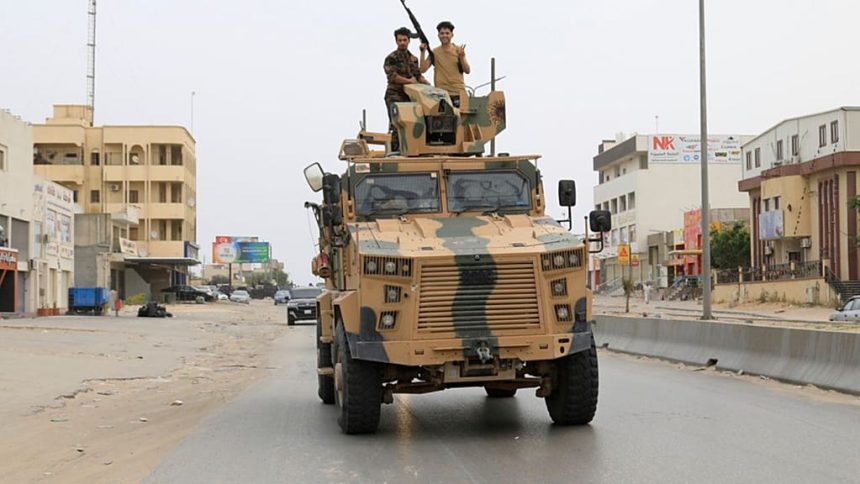
1. The Attack: A “Vile and Cowardly” Operation
The LNA General Command reported that “mercenary groups and illegal armed gangs” launched a simultaneous assault in the early hours of Saturday morning. The attack targeted three high-profile military installations along the porous southern border:
-
Al-Toum Crossing: A vital gateway between Libya and Niger.
-
Wadi Bughrara Checkpoint: A strategic transit point for border guards.
-
El Salvador Point: A critical desert hub located in the “tripoint” where the borders of Libya, Niger, and Algeria meet.
Casualties: Three LNA soldiers were confirmed dead. During the assault, the militants reportedly captured a group of personnel, including a high-ranking officer, before retreating into the mountainous terrain towards Niger.
2. The Perpetrators: Who are the “Revolutionaries of the South”?
Responsibility for the raid was claimed by Baraka Wardako al-Tabawi (also known as Mohammed Wardougou), the commander of a newly announced group called the “Operations Room for the Liberation of the South.”
-
The Tebu Connection: The group is primarily composed of militants from the Tebu, a cross-border ethnic group. Wardako’s family was historically influential in Murzuq before Haftar’s forces seized the city.
-
The Motive: In viral videos, the group stated their objective is to “correct the course of the revolution,” citing long-standing grievances over fuel shortages, poor public services, and the marginalization of southern tribes.
-
Smuggling Allegations: Conversely, the LNA claims the attack was a desperate retaliation by “hired gangs” and smuggling networks whose lucrative fuel and human trafficking routes have been under pressure from military sweeps.
3. Strategic Fallout: The Threat to Oil & Security
The resurgence of violence in the south is particularly alarming for Libya’s economic stability. The Fezzan region is home to the Sharara and El Feel (Elephant) oil fields, the lifeblood of the country’s economy.
-
Military Response: Haftar has ordered the Fifth Brigade, under the command of Abdulhadi Hassan Haftar, to reinforce southern positions. Control of the Al-Toum crossing was reportedly restored by Battalion 676 within hours of the initial breach.
-
Geopolitical Stakes: By securing the “Salvador Triangle,” Haftar positions himself as an indispensable guarantor of security against Sahel-based jihadist groups (like JNIM or IS-Sahel) for international partners