
The “Inappropriate” Comment That Cost 5,000 Boots
It started with a single word: Humiliated.
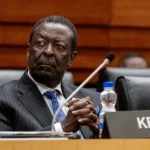
When German Chancellor Friedrich Merz suggested that the United States was being “humiliated” by Iran at the negotiating table, he likely didn’t expect the immediate military response from Washington.
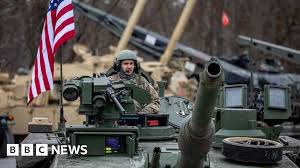
Within days, the Pentagon confirmed the withdrawal of 5,000 active-duty personnel from German soil. While the German Defense Ministry has labeled the move as “foreseeable,” the speed and the political vitriol behind it have left the NATO alliance reeling.
1. The Personalization of Foreign Policy
In 2026, diplomacy is being conducted via social media as much as through embassies.
President Trump’s public retort—telling Merz to “fix his broken country” and focus on energy and immigration rather than “interfering” with the Iran conflict—marks a significant shift.
-
The Impact: Military posture is now being used as a direct response to diplomatic rhetoric.
-
The Risk: Allies are beginning to wonder if their security depends on the tone of their Chancellor’s latest speech.
2. Spain and Italy: Who’s Next?
Germany isn’t the only one in the crosshairs.
The U.S. has openly threatened to review troop levels in Italy (13,000 personnel) and Spain (3,800 personnel).
Spain’s refusal to allow the U.S. to use the Rota and Morón bases for strikes against Iran has made it a primary target for “punitive measures.”
“Italy has not been of any help to us and Spain has been horrible, absolutely horrible.” — Donald Trump, May 2026
3. The 5% GDP Hurdle
The underlying tension isn’t just about Iran; it’s about the bill.
The U.S. is pushing for a mandatory 5% GDP defense spending target for all NATO members.
For countries like Spain, which have described such a jump as “unreasonable and counterproductive,” the pressure is becoming a financial and political nightmare.
4. NATO’s Legal Shield
Despite the threats of “suspension,” NATO’s legal framework remains a member’s best friend.
The 1949 Washington Treaty has no mechanism for firing an ally.
Washington can pull its own troops, but it cannot strip a nation of its NATO membership without that nation’s consent. This “Locked Door” policy is the only thing preventing a total collapse of the alliance’s structure.
What Happens Now?
The Pentagon expects the German withdrawal to take 6 to 12 months.
During that time, the “shifting of forces” will likely see more U.S. assets moved toward the Indo-Pacific or toward “more cooperative” eastern flank allies like Poland.