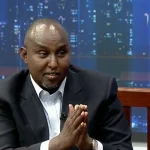

In an extraordinary political explosive that has sent shockwaves through Kenya’s legislative corridors, National Assembly Minority Leader and Suna East MP Junet Mohamed publicly admitted that Members of Parliament received cash payouts to secure the impeachment of former Deputy President Rigathi Gachagua.
Speaking at a joint Orange Democratic Movement (ODM) and United Democratic Alliance (UDA) rally in Kakamega County, the outspoken lawmaker stripped away any pretense of a purely moral or constitutional purge. Instead, he laid bare what critics have long alleged: a transactional economy operating within the halls of Parliament that converted one of the nation’s most historic executive removals into a high-stakes cash-for-votes drive.
1. “Something Moved in Parliament”: The Confession in Kakamega
The bombshell dropped during a political convention held in Malava constituency, hosted alongside Cabinet Secretary for Co-operatives and MSME Development Wycliffe Oparanya.
Addressing the crowd in his signature blunt style, Junet decided to “speak the truth” about the backroom dealings that preceded the historic October 2024 vote.
“Wakati tulikuwa tunafukuza Gachagua kazi, kuna kitu ilitembea hapo… huko Bunge, wacha niseme ukweli.”
(“When we were firing Gachagua, something moved around there… in Parliament, let me tell the truth.”)
┌─────────────────────────────────────────────────────────────────┐
│ THE ANATOMY OF JUNET’S CONFESSION │
├─────────────────────────────────────────────────────────────────┤
│ Location of Speech Malava Constituency, Kakamega County │
│ Key Allegation Financial inducements distributed to │
│ MPs during Gachagua’s impeachment │
│ Alleged Manager Senate Majority Leader Aaron Cheruiyot │
│ Key Target Audiences Colleague MPs, Western region voters │
└─────────────────────────────────────────────────────────────────┘
The admission immediately went viral, re-igniting intense national debate regarding legislative integrity, executive influence over Parliament, and the true motivations behind Gachagua’s historic downfall.
2. Naming the “Accounting Officer”: Allegations Against Aaron Cheruiyot
Going beyond generalities, Junet directly implicated Kericho Senator and Senate Majority Leader Aaron Cheruiyot, identifying him as the chief custodian and distribution manager for the impeachment war chest.
According to the Suna East legislator, Cheruiyot acted as the defacto “accounting officer” tasked with handling and disbursing resources behind the scenes to guarantee the overwhelming numbers required in both the National Assembly and the Senate.
The Alleged Payout Pipeline
┌─────────────────────────────────────────────────────────────┐
│ IMPEACHMENT WAR CHEST │
│ Undisclosed financial resources mobilized to secure votes │
└─────────────────────────────────────────────────────────────┘
↓
┌─────────────────────────────────────────────────────────────┐
│ ALLEGED “ACCOUNTING OFFICER” │
│ Senate Majority Leader Aaron Cheruiyot │
└─────────────────────────────────────────────────────────────┘
↓
┌─────────────────────────────────────────────────────────────┐
│ LEGISLATIVE RECIPIENTS │
│ National Assembly MPs & Senators voting for removal │
└─────────────────────────────────────────────────────────────┘
“Accounting officer alikuwa Aaron Cheruiyot,” Junet declared, leaving no doubt as to who he claimed held the purse strings during the tense legislative push.
3. “Squandered Windfalls”: Mocking Lawmakers Who Pocketed Payouts
Rather than expressing remorse for the transactional nature of the vote, Junet turned his speech into a stinging mockery of his fellow lawmakers. He taunted colleagues who pocketed significant sums during the impeachment drive, observing that many had remarkably little to show for it back home.
He singled out lawmakers from Western Kenya and Bungoma who allegedly squandered their windfalls on Nairobi nightlife and urban luxuries rather than investing in lasting family assets or modern housing in their constituencies.
┌─────────────────────────────────────────────────────────────────┐
│ JUNET’S CRITIQUE OF FELLOW MPs │
├─────────────────────────────────────────────────────────────────┤
│ 1. Failure to Invest: Lawmakers built mismatched, low-quality │
│ structures despite receiving substantial payouts. │
│ 2. Urban Wastefulness: Funds were allegedly blown on nightlife │
│ and short-term luxuries in Nairobi. │
│ 3. Political Irony: MPs who pocketed funds now claim moral │
│ high ground while living in subpar housing. │
└─────────────────────────────────────────────────────────────────┘
Junet quipped that it was absurd to see politicians who received substantial cash infusions still living in iron-sheet structures that failed to reflect the massive wealth that changed hands during the impeachment vote.
4. Validating Gachagua’s Long-Held Claims
Junet’s public confession validated claims made by Rigathi Gachagua during his tense legal and political battle in October 2024.
Throughout his impeachment proceedings, Gachagua consistently insisted that the push to remove him was driven not by genuine constitutional infractions, but by financially induced legislative coercion coordinated by senior state operatives and parliamentary managers.
While political analysts previously debated whether Gachagua’s claims were merely a defense tactic to delegitimize the process, Junet’s firsthand account confirms that money was indeed central to securing the two-thirds majority required in Parliament.
5. Political Context: ODM’s Pivot and the Road to 2027
Beyond the financial revelations, Junet used the Malava platform to send a clear message regarding the Orange Democratic Movement’s (ODM) future political trajectory.
He firmly closed the door on any potential reconciliation or political alliance with the ousted former Deputy President, describing Gachagua’s political ideology as fundamentally incompatible with ODM’s heritage.
ODM’s Strategic Pivot
┌─────────────────────────────────────────────────────────────┐
│ TRADITIONAL OPPOSITION ERA │
│ Street demonstrations, teargas, and exclusion from power │
└─────────────────────────────────────────────────────────────┘
↓
┌─────────────────────────────────────────────────────────────┐
│ BROAD-BASED GOVERNMENT PARTNERSHIP │
│ Strategic state engagement, ministerial portfolios, and │
│ legislative cooperation with UDA │
└─────────────────────────────────────────────────────────────┘
Defending ODM’s broad-based partnership with President William Ruto’s administration, Junet argued that remaining in perpetual opposition resulted in hardship for supporters without delivering structural executive authority. By laying bare the mechanics of parliamentary dealings while reaffirming ODM’s partnership with the government, Junet signaled a pragmatic, power-sharing approach aimed squarely at the 2027 general elections.
Summary: A Turning Point in Kenyan Political Candor
Junet Mohamed’s candid confession represents a rare moment where the unwritten rules of Kenyan parliamentary transactionalism were laid bare before the public eye.
By publicly alleging that Senate Majority Leader Aaron Cheruiyot served as the financial custodian for the impeachment payout, Junet has stripped away the constitutional rhetoric surrounding Rigathi Gachagua’s removal. The confession leaves Kenyans with an undeniable reality: in the high-stakes game of executive power, legislative votes remain deeply tied to financial bargaining.