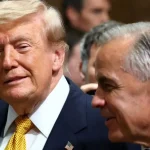

Prime Cabinet Secretary and Cabinet Secretary for Foreign and Diaspora Affairs Musalia Mudavadi has launched a firm pushback against opposition figures spreading narratives that Kenya’s upcoming electoral processes are destined for chaos or state-sponsored violence.
Speaking during the opening of the 21st Plenary Assembly of the Association of Member Episcopal Conferences in Eastern Africa (AMECEA) at the Catholic University of Eastern Africa in Nairobi, Mudavadi called on political leaders to cease fearmongering and stop using inflammatory rhetoric that damages national stability and investor confidence.
Mudavadi emphasized that elections are routine democratic cycles rather than existential struggles, warning that painting every poll as inherently flawed or unsafe threatens to divide the country along ethnic lines.
“I call upon our young people in Kenya and across the region to reject violence, divisive politics, and tribalism. No young and promising life should be sacrificed for political expediency. Elections will come and go, but our nation’s unity, stability, and future must endure.”
— Musalia Mudavadi, Prime Cabinet Secretary
1. Dismantling the “Violence Narrative”: Why Mudavadi Is Calling Out the Opposition
Following contentious local polls—including the recent Ol Kalou parliamentary by-election—opposition leaders have repeatedly voiced concerns over police conduct and alleged state-sponsored intimidation, asserting that future national elections face serious integrity and security risks.
However, the government views these declarations through a completely different lens. Mudavadi argued that systematically telling the public that elections cannot be peaceful acts as a self-fulfilling prophecy designed to delegitimize democratic institutions before citizens even cast their votes.
Core Arguments from Mudavadi’s Address:
Rejecting Political Propaganda: Mudavadi warned that rhetoric suggesting impending election failure undermines public trust in constitutional bodies and creates unnecessary anxiety among local and international investors.
Economic Consequences of Instability: Highlighting global crises in the Middle East and Europe, Mudavadi noted that economic progress cannot survive without peace: “Even the most beautiful airports become ghost buildings when peace is missing.”
Defending Democratic Processes: He urged political parties to address grievances through established legal mechanisms and institutional dialogue rather than street mobilization and alarmist statements.
2. A Direct Appeal to Kenya’s Youth: “Refuse to Be Political Foot Soldiers”
A central pillar of Mudavadi’s speech was a direct warning to young Kenyans against being mobilized as political goons by self-seeking politicians.
In recent political showdowns, youth groups have often found themselves on the front lines of clashes between competing factions. Mudavadi cautioned that the politicians who hire young people to cause chaos are never present when legal consequences follow.
[ The Cycle of Political Exploitation ]
│
┌─────────────────────────────┴─────────────────────────────┐
▼ ▼
Rhetoric & Incitement: Underlying Reality:
• “Protect the vote at all costs.” • Youth face physical risks & legal charges.
• “The elections will not be peaceful.” • Politicians face no personal danger.
• Framing youth as “defenders.” • National unity & infrastructure suffer.
3. Remembering 2007/08: The Cost of Unchecked Political Tension
Mudavadi repeatedly invoked the dark lessons of the 2007/2008 post-election violence, which claimed over 1,000 lives and displaced hundreds of thousands of Kenyans.
He reminded the audience that the 2007 crisis was fueled by a breakdown in trust, aggressive ethnic profiling, and rhetoric claiming that electoral outcomes were predetermined.
Conflict Indicator 2007 Post-Election Crisis Current 2026 Context & Preventive Goals
Primary Trigger Total breakdown in trust & post-poll disputes. Preemptive propaganda claiming polls won’t be peaceful.
Youth Role Mobilized into violent ethnic clashes. Urged to reject goonism and embrace dialogue.
Institutional Role Collapse of political consensus. Active mediation by church and civic bodies.
4. The Call to the Church: Leverage Moral Authority for Political Dialogue
Speaking directly to Catholic bishops and regional faith leaders at the AMECEA assembly, Mudavadi challenged religious organizations to step into their historical role as neutral peacemakers.
He urged the clergy to leverage their moral authority to bring rival political camps to the negotiating table before political competition escalates into civil unrest.
Key Actions Urged for Faith Leaders:
Host Structured Dialogue: Create safe spaces for government and opposition figures to resolve disagreements over electoral reforms.
Promote Peace Education: Use religious pulpits to preach against tribalism, goonism, and hate speech ahead of the 2027 General Election.
Protect Youth Vulnerability: Support community programs that offer constructive opportunities to young people so they are less susceptible to financial exploitation by politicians.
Conclusion
Musalia Mudavadi’s warning against election propaganda highlights a critical political debate in Kenya. While opposition groups argue that highlighting security concerns is necessary to protect electoral integrity, the government maintains that spreading fear damages national cohesion. As the country looks toward the 2027 General Election, the focus remains on ensuring that democratic competition takes place through peaceful, constitutional channels.