

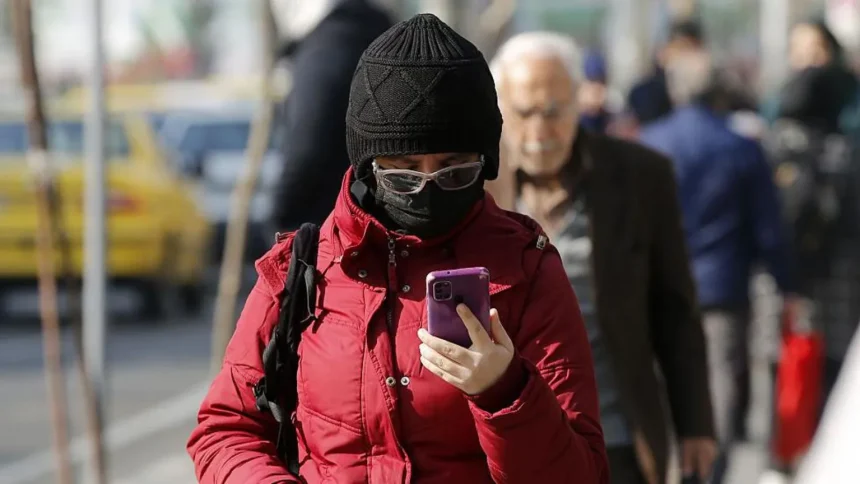
Internet access has started returning in Iran after nearly three months of nationwide restrictions that left millions of people disconnected from the global web.
The restoration follows one of the world’s longest modern internet shutdowns, which began earlier this year during political unrest and later intensified amid escalating regional conflict involving the United States and Israel.
Monitoring organizations tracking global connectivity reported signs of partial recovery on Tuesday, with some internet services gradually becoming available again in parts of the country.
Partial Internet Access Begins Returning
Internet monitoring groups including NetBlocks and Kentik confirmed that connectivity levels in Iran had begun improving after months of near-total isolation from the global internet.
Reports indicate that fixed broadband services in some areas, especially around Tehran, were among the first to reconnect. However, many mobile internet services remain limited or unstable.
According to Iranian officials, the restoration process is being carried out gradually under government supervision.
Iranian First Vice-President Mohammad Reza Aref announced that “the first step toward free and regulated access to cyberspace has been taken.”
Despite the improvements, experts warn that internet access is still far below normal levels, with some estimates placing connectivity at only a fraction of pre-blackout activity.
One of the Longest Internet Shutdowns in History
The blackout began in January 2026 during widespread anti-government protests before expanding significantly following military tensions involving Iran, the United States, and Israel.
Authorities defended the shutdown as a national security measure aimed at preventing cyberattacks, espionage, and unrest.
However, critics accused the government of using the blackout to suppress dissent, limit access to information, and hide human rights violations during the crackdown on protests.
Monitoring groups described the disruption as the longest nationwide internet blackout ever recorded in Iran, lasting approximately 88 days.
The shutdown affected nearly every aspect of daily life, including banking, communication, education, businesses, and access to international news.
Businesses and Citizens Hit Hard
The blackout reportedly caused severe economic losses across Iran’s digital economy.
Online businesses, freelancers, technology companies, and remote workers struggled to operate without stable global internet access.
Many citizens also lost access to messaging apps, social media platforms, international websites, and cloud-based services used for work and education.
Human rights organizations and internet freedom advocates warned that the restrictions isolated millions of Iranians from the outside world.
Some reports suggested that only selected individuals and institutions were allowed access through a limited government-controlled service known as “Internet Pro.”
The system reportedly offered restricted internet access to approved users such as officials, academics, and businesses while ordinary citizens remained disconnected.
Legal and Political Disputes Continue
Although internet access is beginning to return, uncertainty remains over whether the restoration will continue without interruptions.
Reports indicate that an Iranian court temporarily suspended parts of the government’s restoration order shortly after reconnection efforts began.
The legal dispute has created confusion over the future of internet access policies in the country.
Analysts say divisions remain between government officials pushing for broader connectivity and hardline security institutions favoring tighter internet controls.
Iranian President Masoud Pezeshkian has reportedly supported easing restrictions and restoring internet access to previous levels.
However, internet freedom experts caution that full restoration may still take time and could remain heavily monitored or censored.
Social Media Reactions Grow
News of the internet restoration quickly spread across social media as Iranians inside and outside the country reacted emotionally to the developments.
Some users described finally reconnecting to services such as Gmail, app stores, and messaging platforms after months offline.
Others remained skeptical, warning that the government could reimpose restrictions at any moment.
Online discussions also highlighted the challenges many families, businesses, and students faced during the prolonged shutdown.
Internet freedom activists continue calling for unrestricted and reliable access to the global web for all Iranian citizens.
Global Attention on Iran’s Digital Restrictions
Iran’s internet blackout attracted international criticism from digital rights groups, human rights organizations, and foreign governments.
Experts described the shutdown as one of the clearest examples of state-controlled internet censorship in recent years.
Researchers studying the blackout said Iran used advanced network control methods to disconnect users while maintaining parts of its internal digital infrastructure.
The incident has renewed global debate over internet freedom, government surveillance, and digital rights during times of political crisis.
Uncertainty Still Remains
While signs of recovery continue appearing, internet connectivity across Iran remains inconsistent and heavily restricted in some areas.
Experts say it may take days or weeks before normal service fully returns nationwide — if authorities allow complete restoration at all.
For millions of Iranians, the return of internet access represents both relief and uncertainty after months of digital isolation.
As the situation develops, attention remains focused on whether Iran will maintain broader access to the global internet or continue imposing strict online controls.