

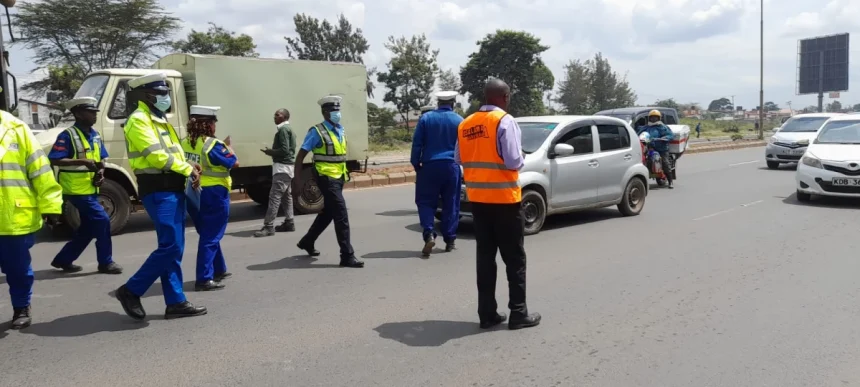
The National Transport and Safety Authority (NTSA) has taken a surprising turn in the ongoing debate over Kenya’s controversial instant traffic fines system. In a move that has caught the attention of motorists and legal experts alike, the authority is now seeking to withdraw a court case challenging the rollout of the system.
The instant fines initiative, introduced earlier in March 2026, was designed to revolutionize how traffic offenses are handled in Kenya. Instead of lengthy court processes, motorists would receive penalties instantly—often through automated systems—aimed at improving efficiency and reducing congestion in the judicial system. However, the rollout was met with immediate resistance.
Concerns quickly emerged over the legality, transparency, and fairness of the system. Critics argued that the policy lacked proper public participation and raised constitutional questions, prompting a legal challenge in court. The High Court subsequently halted its implementation, putting the entire system in limbo.
Now, NTSA’s decision to push for the withdrawal of the case signals a shift in strategy. Rather than engaging in a prolonged legal battle, the authority appears to be focusing on addressing the concerns raised by stakeholders and the general public. Reports indicate that widespread confusion among motorists played a significant role in the decision. Many Kenyans were unclear about how the fines would be issued, contested, or enforced.
This confusion has been a major setback for a system that was initially intended to streamline enforcement and enhance road safety. The instant fines mechanism was expected to reduce human interaction in traffic enforcement, minimize corruption, and ensure quicker compliance with traffic laws. Instead, it sparked nationwide debate and uncertainty.
By seeking to withdraw the case, NTSA is effectively buying time. The authority has hinted at plans to reintroduce the system after conducting public education campaigns and providing clearer guidelines. This suggests that the concept of instant fines is not being abandoned entirely—but rather restructured.
For Kenyan motorists, this development offers temporary relief. With the system currently suspended, traditional traffic enforcement methods remain in place. However, the possibility of its return means drivers should stay informed and prepared for future changes.
The situation also highlights a broader issue in Kenya’s policy implementation: the importance of public awareness and stakeholder engagement. Even well-intentioned reforms can face resistance if they are not clearly communicated or properly understood.
As the case unfolds and NTSA recalibrates its approach, one thing is clear—the future of instant traffic fines in Kenya is far from settled. Whether the system will return stronger and more accepted depends largely on how well authorities address the concerns raised during this initial rollout.