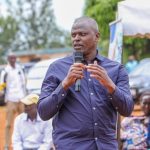

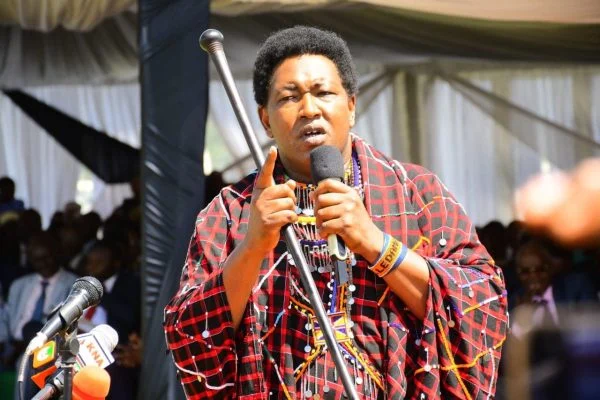
In a period marked by intensifying debate over tribal and ethnic political rhetoric, Narok Senator Ledama Olekina has emerged as a vocal critic of divisive narratives and a strong advocate for national unity and inclusive governance in Kenya. His recent remarks reflect broader political tensions as the country approaches the 2027 general elections, where issues of identity, regional alliances, and ethnic mobilisation are increasingly at the forefront of public discussion.
Olekina’s interventions have sparked reactions from both supporters and critics, highlighting the ongoing struggle within Kenyan political discourse to balance community interests with national cohesion.
Who Is Ledama Olekina?
Senator Ledama Olekina represents Narok County in the Kenyan Senate and is a member of the Orange Democratic Movement (ODM) party. A political scientist by training, Olekina has been known for his outspoken positions on governance, devolution, land reform, and social justice. In Senate leadership, he also serves as Minority Whip, giving him a platform to shape party strategy and debate in the Upper House.
Olekina’s Critique of Tribal Politics
In recent weeks, Olekina has publicly challenged what he views as tribalised political discourse in Kenya, with specific criticism directed at how certain national narratives and institutions perpetuate inequality and division. One of his notable statements addressed the obsession with “national schools” — elite boarding institutions that have traditionally drawn students from across the country — which he argues foster elitism and tribalism rather than unite diverse communities. Olekina warned that this fixation reinforces a perception of hierarchy and exclusion within the education system.
According to Olekina, Kenya must rethink how it approaches education, leadership, and national identity — prioritising equity and merit over legacy systems that reinforce ethnic or regional advantage. His stance reflects a broader concern that entrenched cultural practices and political rhetoric risk undermining national cohesion unless they are addressed proactively by leaders and citizens alike.
Context: Tribal Politics and National Unity in Kenya
Kenyan politics has long been influenced by ethnic affiliations and identity mobilisation, with historical episodes — such as the post-2007 election violence — serving as reminders of how dangerous divisive rhetoric can become. Around the 2027 elections, these debates have grown more intense, with political leaders regularly making statements that are interpreted through ethnic lenses, fueling public concern over unity.
Olekina’s criticism is not isolated. Across the political spectrum, other leaders have also emphasised the importance of unity. For example, National Assembly Speaker Moses Wetang’ula has urged Kenyans to reject ethnic politics and uphold cohesion, while ruling and opposition MPs have committed to bipartisan cooperation to advance common national objectives.
Olekina on Divisive Remarks by Other Leaders
The Narok senator has previously called out divisive comments by high-profile politicians, including a situation where he threatened potential impeachment for remarks he described as tribal and harmful to national unity. In August 2025, Olekina said that comments by a Cabinet Secretary about regional superiority were “pure poison” that could pull Kenya back to the dark days of tribal tension and fear. His strong stance underscores his belief that public officials must uphold constitutional values and avoid language that could inflame ethnic divisions.
While critics sometimes label his interventions as politically motivated, Olekina insists that national unity should transcend party lines and ethnic affiliations. He advocates for policies and discourse that promote equality, broad representation, and respect for the diverse identity of the Kenyan populace.
Unity Through Youth and Diverse Leadership
Olekina also highlights the role of youth and inclusive leadership in shaping Kenya’s future. In October 2025, he praised the Orange Democratic Movement’s new generation of leaders for reflecting the country’s diversity, encouraging greater representation from all counties and communities. According to him, broadening leadership beyond narrow ethnic or regional bases can help foster a more cohesive political culture.
His perspective resonates with increasing calls from civil society and other leaders for intergenerational and cross-community cooperation in national affairs. Such approaches are seen as essential to building trust among Kenya’s many ethnic groups and sustaining democratic progress.
The Broader Debate: Tribalism vs Cohesion
Kenya’s political landscape remains deeply influenced by identity politics, and debates over ethnicity, resource allocation, and representation are likely to intensify as elections near. Analysts note that while calls for unity are frequent, practical steps to translate rhetoric into lasting cohesion are challenging in a country as diverse as Kenya.
Leaders like Olekina have emphasised that eliminating tribal politics will require systemic reform — including strengthening institutions, promoting merit-based leadership, and addressing fundamental inequalities in education, employment, and governance. These measures, he argues, are key to a prosperous and united Kenya where citizens see themselves as part of a common national project rather than divided along ethnic lines.
Conclusion: A Call for Inclusive Leadership
Senator Ledama Olekina’s comments on national unity and tribal politics bring into focus one of Kenya’s most enduring political challenges. His critique of divisive rhetoric and structural inequalities highlights the tension between identity politics and shared national identity — a tension that leaders and citizens must navigate carefully in the lead-up to the 2027 elections.
As political actors and the public engage in these debates, the emphasis on respecting diversity, promoting merit, and rejecting exclusionary narratives could play a crucial role in shaping a more cohesive and resilient Kenya for the future.