

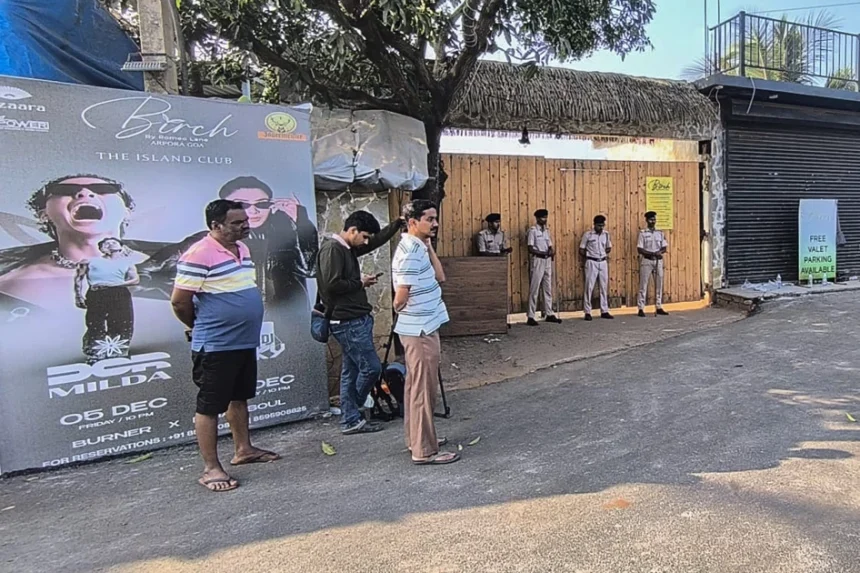
Introduction: A Night of Fun Turns to Tragedy
In one of India’s worst nightlife disasters in recent years, a massive fire ripped through a popular nightclub in Goa, killing at least 25 people and injuring dozens more in the early hours of [mention date, e.g., Sunday morning]. The incident has sent shockwaves through the coastal state known for its vibrant tourism and nightlife, raising urgent questions about safety regulations, emergency preparedness, and accountability.
This report breaks down what happened, who was affected, how authorities responded, and what this means for public safety in entertainment venues across India.
1. The Incident: Timeline & Location
Key Details:
Venue: [Name of nightclub, e.g., “Club XYZ”], located in [specific area, e.g., Anjuna, North Goa].
Time: Fire broke out around [1:30 AM local time] when the club was packed with weekend revelers.
Cause: Preliminary investigations suggest a short circuit near the DJ console, which ignited decorative materials and foam installations. A full forensic investigation is underway.
Spread: Flames and toxic smoke spread rapidly due to blocked exits, lack of fire extinguishers, and highly flammable interior decor.
2. Victims & Survivors
Fatalities (25 Confirmed):
Most victims were young adults and tourists, including nationals from [mention if international tourists involved, e.g., Russia, UK, Israel].
Deaths were primarily due to smoke inhalation and stampede injuries, as panic broke out in the crowded, poorly lit space.
Injured:
Over 40 people hospitalized with burns, respiratory issues, and fractures.
Several are in critical condition in Goa Medical College and private hospitals.
Rescue & Response:
Local firefighters arrived within 30 minutes but struggled to access the building.
Survivors described chaotic scenes—some escaped by breaking windows, others were pulled out by bystanders.
3. Official Response & Investigations
Statements from Authorities:
Goa Chief Minister [Name]: “Deeply saddened by this tragedy. A high-level inquiry has been ordered. We will ensure strict action against those responsible.”
Fire Department Officials: Cited multiple safety violations: blocked emergency exits, no fire alarm, illegal construction modifications.
Police: Have detained the club owner, manager, and event organizers under charges of culpable homicide and negligence.
National Reaction:
Prime Minister Narendra Modi announced compensation of ₹2 lakh for families of the deceased.
The National Disaster Response Force (NDRF) and central forensic teams deployed to assist.
4. Safety Failures & Violations Exposed
This tragedy highlights chronic safety lapses in India’s entertainment venues:
No Fire NOC (No Objection Certificate): The club allegedly operated without a valid fire safety license.
Blocked Exits: Emergency exits were either locked or used as storage spaces.
Flammable Materials: Low-cost, highly combustible foam and decor were used extensively.
Overcrowding: The club was reportedly packed beyond legal capacity.
Lack of Staff Training: Employees were not trained in fire drill procedures.
5. Goa’s Nightlife Under Scrutiny
Goa—a top destination for domestic and international tourists—is now facing tough questions:
Will there be a statewide audit of bars, clubs, and beach shacks?
How will this impact tourism, especially during peak season?
What new regulations will be enforced to prevent future tragedies?
6. Lessons for Venue Safety Worldwide
While this occurred in Goa, the lessons are universal:
For Venue Owners:
Regular fire safety audits
Clear, marked, and unobstructed emergency exits
Installation of smoke detectors, sprinklers, and fire alarms
Staff training in emergency evacuation
For Patrons:
Always note nearest exits upon entering any crowded venue
Avoid venues that feel overly cramped or have blocked pathways
Report visible safety violations to authorities
For Governments:
Surprise inspections of public venues
Strict penalties for safety violations, including license cancellations
Public awareness campaigns on crowd safety
7. Conclusion: A Preventable Tragedy
The Goa nightclub fire was not just an accident—it was a preventable disaster resulting from negligence, greed, and regulatory failure. As families mourn and survivors recover, this tragedy must serve as a wake-up call for India and all nations to prioritize human safety over profits.
While justice must be served through the courts, the real tribute to the lives lost will be systemic change—ensuring no more lives are lost in places where people go to celebrate life.