

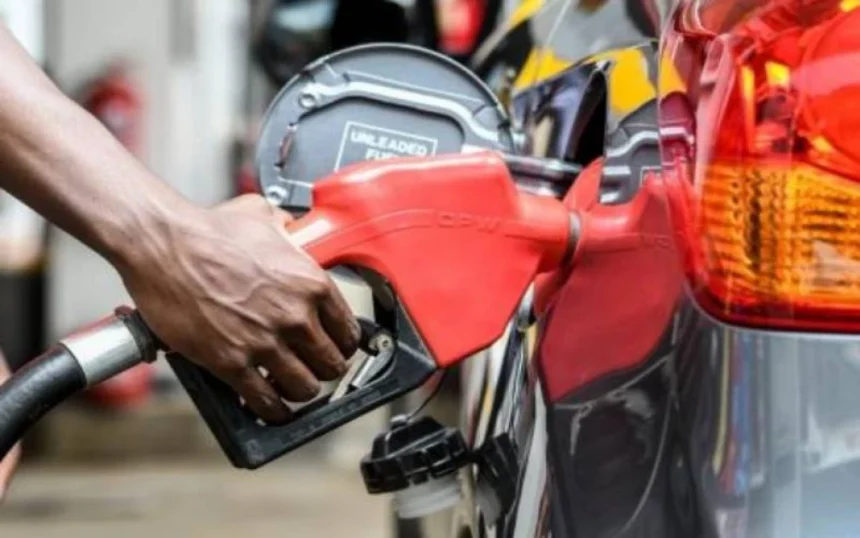
In one of the most chaotic weeks for Kenya’s energy sector, the Energy and Petroleum Regulatory Authority (EPRA) issued a rare “addendum” on the night of April 15, 2026, effectively rewriting the record-breaking prices it had announced just 24 hours earlier.
The move follows a direct intervention by President William Ruto and Treasury CS John Mbadi, who bowed to intense public pressure and a looming national strike by lowering the Value Added Tax (VAT) on fuel from 16% to 8% in a staggered retreat.
The Timeline of a U-TurnTo understand the new prices, one must look at the unprecedented back-and-forth that occurred this week:Monday, April 14: EPRA announces a massive hike. VAT is lowered from 16% to 13%, but Petrol still hits KSh 206.97 and Diesel KSh 206.84 due to surging landed costs.
Tuesday Morning: Protests spark online and in major towns. Matatu operators announce a 25% fare hike.Tuesday Night (9:30 PM): Under Legal Notice No. 70, the Treasury slashes VAT further to 8%. EPRA releases an emergency addendum.
Wednesday, April 15: President Ruto defends the hike in Kisii but confirms the 8% VAT will stay for at least three months.
New Revised Prices (April 16 – May 14, 2026)
The VAT reduction has brought both Petrol and Diesel back under the KSh 200 mark in Nairobi, though the relief is described by many as “bittersweet.”
Note: Kerosene remains unchanged because the government reduced the subsidy from KSh 108.10 to KSh 96.56 to offset the tax loss.
Why the Crisis Happened
The root cause remains a perfect storm of global and local factors. The average landed cost of Diesel spiked by a staggering 68.72% in a single month.
Middle East Conflict: Supply disruptions in the Strait of Hormuz have pushed Brent crude above $100 per barrel.
The Shilling Factor: The Kenyan Shilling averaged 130.08 against the USD in March, making imports more expensive.
The “MT Paloma” Saga: Energy CS Opiyo Wandayi faced backlash over a 60,000-metric-tonne fuel consignment that was initially excluded from the price math, leading to accusations of “artificial” price manipulation.
What This Means for Your Pocket
While the drop of ~KSh 10 is welcome, the economy is already adjusting to the higher baseline. The Kenya Transporters Association has noted that even at KSh 197, the cost of moving goods from Mombasa to Nairobi has increased by 15% compared to March.
Consumers should expect “bracket creep” in the prices of bread, milk, and electricity, as the fuel adjustment factor in power bills is likely to remain elevated throughout the month.