
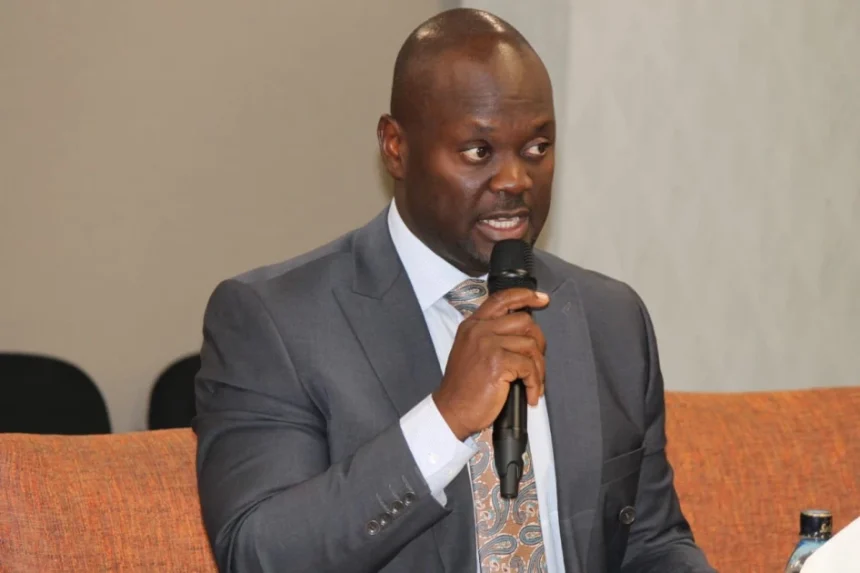
The halls of the National Assembly are often home to heated debates, but on Tuesday, February 17, 2026, the fire reached a flashpoint. In a rare and dramatic move, Speaker Moses Wetangula announced the indefinite suspension of Kitutu Chache South MP Anthony Kibagendi, effectively barring him from the precincts of Parliament.
The suspension follows a series of blistering remarks made by the lawmaker during a morning interview on Citizen TV’s Daybreak, where he leveled serious accusations against the leadership and the independence of the House.
1. The “Auctioned House” Allegation
The trouble began when Kibagendi, a vocal critic of the current administration, appeared on national television to discuss the state of the nation. During the broadcast, he alleged that Parliament had been “auctioned” and reduced to a mere “appendage of State House.”
Specifically, Kibagendi took aim at Speaker Wetangula and Deputy Speaker Gladys Boss Shollei, accusing them of surrendering the legislature’s sovereignty to the Executive. He argued that the House was no longer capable of making independent decisions to benefit the common mwananchi, instead acting as a “puppet” for government interests.
2. The Speaker’s Hammer: “Bringing the House to Disrepute”
The response from the Speaker’s gallery was swift and severe. During the Tuesday afternoon session, Speaker Wetangula informed the House that Kibagendi’s remarks had brought the institution into disrepute, violating the standing orders that govern the conduct of Members of Parliament.
“You will be excluded from the sitting of this House until you bring a properly worded apology,” Wetangula ordered. “For now, you are excluded from the proceedings of this House, Parliament precincts, committee sittings, including your office.”
The Speaker clarified that the suspension is not for a fixed term but is contingent on a “properly worded apology” delivered to the Clerk. The apology will be scrutinized, and only if deemed acceptable will the MP be allowed to resume his duties.
3. A Pattern of Defiance?
This suspension is just the latest chapter in a turbulent few weeks for the Kitutu Chache South legislator.
DCI Arrests: In January 2026, Kibagendi was arrested by DCI detectives over a viral assault incident at a Java House in Kisii, an event his supporters claimed was politically motivated.
The SHA Showdown: He has been at the forefront of criticizing the Social Health Authority (SHA), leading to a fiery confrontation with Health CS Aden Duale during a parliamentary committee session.
The “Wantam” Movement: Kibagendi is a key figure in the “one-term” movement, advocating for a change in leadership in the 2027 elections.
4. The Debate: Freedom of Speech vs. Parliamentary Decorum
Kibagendi’s suspension has reignited a fierce debate on the limits of parliamentary privilege.
The Pro-Suspension View: Supporters of the Speaker’s move argue that an MP must uphold the dignity of the House. Publicly calling the legislature a “puppet” undermines the democratic foundation of the country and invites public contempt.
The Anti-Suspension View: Critics and civil rights activists argue that suspending an MP for remarks made in a media interview—outside the floor of the House—is a form of “gagging.” They contend that an MP’s primary duty is to represent their constituents’ frustrations, even if those frustrations target the leadership.
5. What Happens to the Constituents of Kitutu Chache South?
An indefinite suspension is a heavy blow, not just to the politician, but to the people he represents. During this period:
No Voice in Debates: The people of Kitutu Chache South will have no representative to voice their concerns during plenary sessions.
No Committee Work: Kibagendi cannot participate in committee meetings where critical legislation and budget allocations are drafted.
Forfeiture of Perks: Under parliamentary rules, suspended members often forfeit certain allowances and access to parliamentary facilities.
6. The Road to Reinstatement
The ball is now in Kibagendi’s court. To return, he must draft an apology that satisfies the Speaker and his peers. However, given his history of “fearless” politics, many wonder if he will choose to apologize or if he will challenge the suspension in the High Court, arguing that his freedom of expression has been violated.
The outcome of this standoff will set a major precedent for how much “criticism from within” the 13th Parliament is willing to tolerate.
Conclusion
As the gates of Parliament close on Anthony Kibagendi, the political temperature in Nairobi continues to rise. Whether this move restores “decorum” or is viewed as “intimidation” depends largely on which side of the political divide you stand. One thing is certain: the “Pride of Kitutu Chache” isn’t one to go down without a fight.