

Kenya is locked in a high-stakes standoff as a severe fuel crisis triggers transport paralysis, nationwide protests, and intense political finger-pointing. The friction follows a massive price adjustment by the Energy and Petroleum Regulatory Authority (EPRA), which pushed super petrol up by Ksh 16.65 and sent diesel surging by an unprecedented Ksh 46.29 per litre.
Standard Newspaper
The aggressive price hike immediately forced the public transport sector to its knees. Matatu operators launched a fierce nationwide strike, leaving millions of commuting workers stranded, shutting down key transport corridors, and sparking volatile street protests that have turned fatal in regions like Busia and Kakamega. While a fragile seven-day truce has temporarily suspended the strike to allow for government dialogue, the underlying economic anger shows no signs of cooling down.
The Online Kenyan
Kindiki Speaks Out Amid Growing Leadership Questions
As transport chaos gripped the country and thousands of “hustlers” were forced to walk long distances to work, the conspicuous absence of top state leadership drew immense public fury. Critics and opposition leaders quickly pointed fingers at the Executive, highlighting a sharp disconnect between struggling citizens and the nation’s leadership.
Standard Newspaper
+ 1
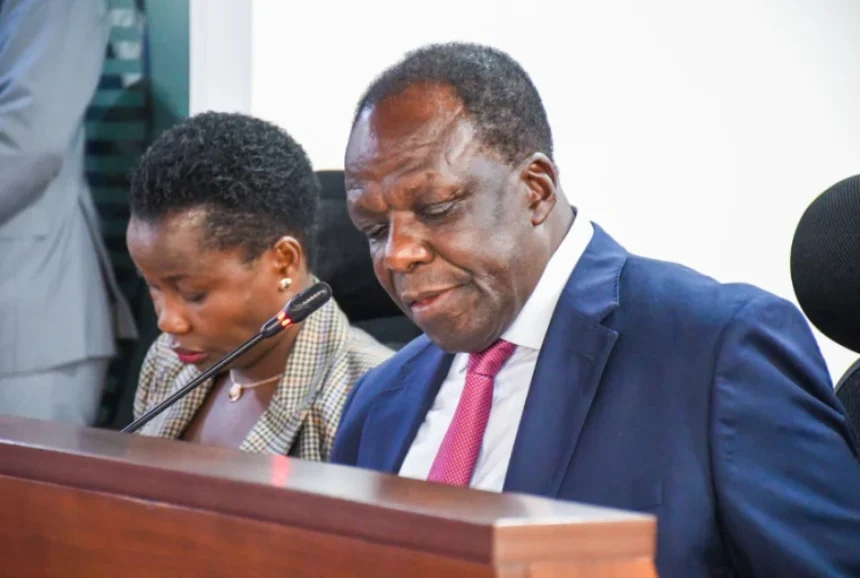
Breaking days of silence, Interior Cabinet Secretary Kithure Kindiki finally addressed the compounding crisis. While defending the state’s long-term fiscal strategies, Kindiki acknowledged the immediate pain ordinary citizens are facing but firmly warned against lawlessness.
Standard Newspaper
“We understand the immense pressure the recent fuel adjustments have placed on Kenyan households and the business community,” CS Kindiki stated. “However, destroying public infrastructure and disrupting the lives of fellow citizens under the guise of protest will not be tolerated. We are actively engaging transport stakeholders to find an equilibrium.”
However, for many Kenyans, the intervention feels like “too little, too late.” Political analysts note that the administration’s slow public response has severely damaged its grassroots popularity, especially as reports surfaced detailing substantial state expenditure on foreign executive travel right in the middle of the local transport gridlock.
The Economic Toll: “Fuel is Not a Luxury”
The impact of the EPRA tariff and pipeline adjustments extends far beyond commuter fares. Representatives from major business lobbies and manufacturing associations have issued urgent warnings that the country is on the brink of an inflation spiral. Because diesel is the primary fuel powering Kenya’s manufacturing plants, agricultural transport, and commercial supply lines, the Ksh 46 per litre surge is translating directly into higher costs for basic goods.
The Micro-Economic Impact on the Street
For the average informal vendor and worker, the transport crisis has fundamentally altered daily survival:
Doubled Commuter Fares: Before the temporary strike suspension, matatu fares on major routes into Nairobi, Mombasa, and Kisumu doubled, swallowing up to 60% of an casual laborer’s daily income.
Supply Chain Drops: Fresh produce traders at markets like Wakulima and Muthurwa reported a massive drop in supply and a spike in wholesale costs, as transport trucks raised haulage fees to cover the diesel deficit.
The Ripple Inflation Effect: Economists warn that if the current pipeline tariffs are maintained, the cost of electricity and locally manufactured staples like maize flour and cooking oil will see an immediate secondary spike.
The Law Society of Kenya (LSK) has already moved to the courts, launching a formal legal challenge against the new fuel pricing structures. The LSK argues that the steep hikes are a direct result of institutional mismanagement and unfair pipeline tariff adjustments that place an illegal, unconstitutional financial burden on the public.
The Online Kenyan
Parliament Scrambles: The Nyoro Fuel Bill to the Rescue?
With public anger mounting, the battle has shifted directly to the floor of the National Assembly. Lawmakers are facing immense pressure from their constituents to aggressively intervene before the temporary seven-day matatu strike window expires.
At the center of legislative rescue efforts is a high-profile proposal fronted by Kiharu Member of Parliament Ndindi Nyoro, who chairs the powerful Budget and Appropriations Committee. Nyoro’s plan aims to force an immediate review of the levies and taxes that currently account for nearly half of the retail price of fuel in Kenya.
Parliament has officially given the green light to prioritize the debate on Nyoro’s cost-cutting proposals. Key strategies being explored by the house include:
Zero-Rating VAT on Fuel: Pushing back against International Monetary Fund (IMF) recommendations to slash value-added tax structures on petroleum products.
Pipeline Tariff Overhauls: Reviewing and capping the structural fees levied by the recently privatized Kenya Pipeline Company (KPC) to lower the landing cost of fuel.
Reviewing the Petroleum Development Levy: Demanding strict transparency over how fuel stabilization funds are managed and utilized by the state.
A Strained Political Landscape Heading into 2027
The fuel crisis has effectively poured gasoline on an already fractured political landscape. The economic pain has deepened divisions within the ruling political alliances, with high-ranking figures openly breaking ranks.
Former Deputy President Rigathi Gachagua launched a blistering critique of the current regime’s economic management, warning that the country faces a long, difficult path to recovery if the current tax trajectories are maintained.
Concurrently, the opposition Orange Democratic Movement (ODM) is using the economic discontent to aggressively mobilize its grassroots base. Even as some regional leaders defend the broad-based government arrangement, ODM factions are planning massive rallies across western Kenya and Kisumu, positioning themselves firmly on the side of the struggling mwananchi.
As the seven-day negotiation window ticks away, the state finds itself in a tight corner. It must either find a way to lower fuel costs through parliamentary intervention or brace for a total resurgence of transport strikes that could completely lock down the national economy.
Traffic-Boosting Strategy for This Article
The Power Caption: Share this link on your WhatsApp statuses and Facebook pages with the text: “Kenyans are walking to work while leaders fly in half-billion jets!” — Inside the explosive fuel crisis paralyzing Kenya and Kindiki’s latest statement. Click to read the full breakdown!
Engagement Booster: Add a poll at the bottom of your post on social media asking: “Do you think Parliament will successfully lower fuel prices next week?” This guarantees a flood of comments and shared links.