
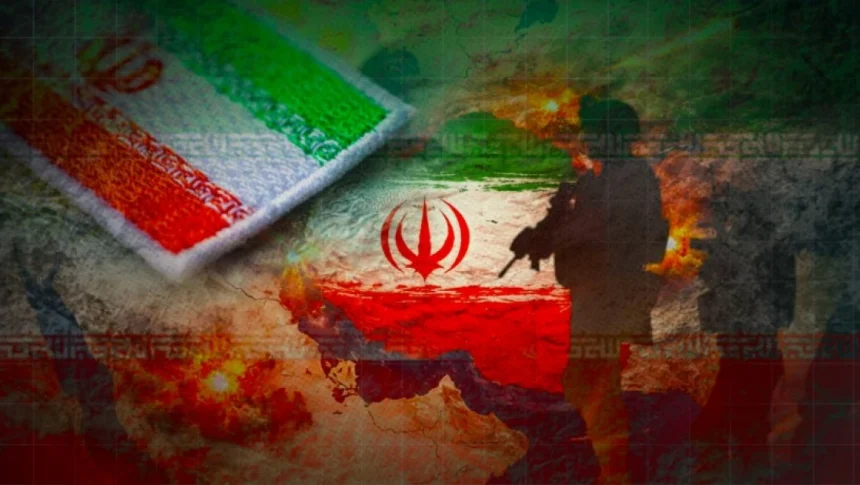
The geopolitical earthquake that began with strikes in Iran has reached the slaughterhouses and tea farms of Kenya. On Wednesday, March 4, 2026, the Kenya Meat Livestock Exporters Industry Council (KEMLEIC) confirmed that the sector is hemorrhaging Ksh 200 million per day, totaling Ksh 1 billion since the conflict escalated last weekend.
1. The “Meat Mountain”: A Logistics NightmareThe most immediate victims are the meat exporters targeting the high-demand Ramadan period in the Gulf.Grounded Consignments: Since Saturday, February 28, cargo flights have been almost non-existent. Over 150 tonnes of premium mutton and beef are currently stuck.
The “Return to Slaughterhouse” Crisis: On Wednesday, a rare flight departed JKIA carrying 60 tonnes of meat, but dozens of other consignments were forced back to cold rooms that are now at full capacity.
CEO’s Warning: “We have not been able to slaughter meat from Monday to date. We are looking at a loss of about Ksh 1 billion for the five days we have been idle,” stated Nicholus Ngahu, CEO of KEMLEIC.
2. Tea Diplomacy on the Brink
Kenya’s Ksh 4.26 billion tea trade with Iran is facing an existential threat. Iran, which purchased 13 million kilograms of Kenyan tea in 2024, is now effectively cut off.
Market Share at Risk: The East African Tea Traders Association (EATTA) warns that Kenya could lose 20% to 25% of its Middle East tea market if the war continues.
The “India-Sri Lanka” Threat: As shipping through the Strait of Hormuz becomes perilous, Kenyan tea risks being replaced by Asian competitors who face different logistical routes.
3. The “Freight Surcharge” Hit
Even for the few flights that are operating, the cost of doing business has “exploded.”
Tripling Costs: Logistics agencies report that freight costs have doubled or even tripled as airlines reroute to avoid the war-torn airspaces of Iraq, Iran, and the UAE.
KQ Repatriation: While Kenya Airways announced special repatriation flights starting Wednesday to rescue stranded Kenyans in Dubai, regular commercial cargo remains highly volatile.
4. The Government’s “Market Diversification” Plea
Trade Cabinet Secretary Lee Kinyanjui has urged exporters to look beyond the Middle East to cushion the blow.
“The reality of geopolitics remains unpredictable. We are actively pursuing market diversification to ensure our trade position is not permanently damaged,” Kinyanjui stated.