

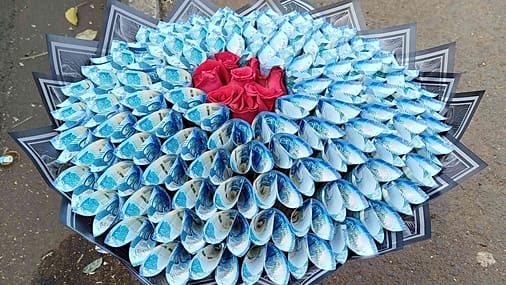
1. The Crime of “Currency Mutilation”
The CBK isn’t trying to stop the love; it’s trying to protect the paper. According to the official notice, the process of making these bouquets involves:
Adhesives and Fasteners: Using glue, staples, pins, or tape to hold the notes in place.
Physical Damage: Folding, rolling, and pinning compromises the integrity of the banknotes.
Mechanical Interference: Damaged notes jam ATMs and cash-counting machines, leading to millions of shillings in unnecessary replacement costs for taxpayers.
2. The Legal Hammer: Fines and Jail Time
Under Section 367A of the Penal Code, defacing or mutilating currency is a criminal offense.
Imprisonment: Offenders could face up to three months in jail. (Some reports even cite up to seven years under broader currency laws, though the Penal Code specifically notes three months for defacement).
Fines: A fine of up to KSh 2,000 can be imposed alongside or instead of jail time.
The Warning: Renowned lawyer Danstan Omari noted that “ignorance of the law” won’t be an excuse once a note is visibly stapled or glued.
3. How to Gift Cash “Legally”
The CBK clarified that it does not object to cash being given as a gift. It simply wants the money to remain “free-flowing.” If you want to impress your partner without a court date, the bank suggests:
Traditional Envelopes: The classic, safe, and legal way.
Digital Transfers: M-Pesa remains the king of convenience (even if it lacks the “Instagram appeal”).
Fresh Blooms: As one of the world’s top flower exporters, Kenya is urging citizens to return to “the basics”—actual roses.