

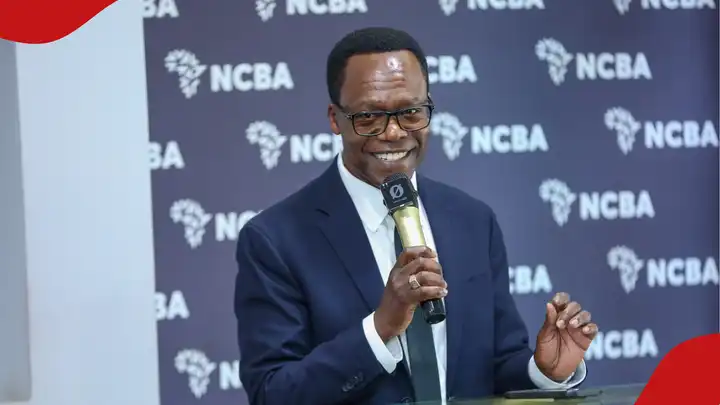
The speculation is over. On Wednesday, January 21, 2026, South Africa’s Nedbank Group officially launched its bid to become the majority owner of Kenya’s NCBA Group. The deal, valued at a staggering Sh109.5 billion ($855.5 million), isn’t just a banking transaction—it’s a seismic shift in East Africa’s financial power structure.
For NCBA, a bank built on the foundations of Kenya’s most influential political and business dynasties, this acquisition marks the beginning of a new, global chapter.
1. The Numbers: A Premium Payout for Shareholders
Nedbank is offering to buy 66% of NCBA at a valuation of 1.4 times its book value. To put this in perspective, the offer values NCBA at approximately Sh165.9 billion total.
How shareholders will be paid:
20% Cash: A liquidity boost for investors (approximately Sh21.9 billion in total cash).
80% Nedbank Stock: Shareholders will receive newly issued Nedbank ordinary shares listed on the Johannesburg Stock Exchange (JSE). For every 100 NCBA shares, investors are expected to receive roughly 4 Nedbank shares.
Note: For small-scale investors who cannot hold offshore shares, Nedbank has proposed a “Full Cash” alternative at a deemed value of Sh105 per share (for every 100 shares tendered).
2. The Exit (and Expansion) of the “Founding Families”
NCBA has long been synonymous with the Kenyatta family (via Enke Investments) and the Philip Ndegwa family (via Asset Managers Ltd). Between them and other top investors, they control over 71% of the bank’s register.
By accepting this deal, these families aren’t just “selling out”—they are diversifying. By swapping their local NCBA stock for JSE-listed Nedbank shares, they are effectively moving their wealth into a more stable, South African Rand-denominated asset with exposure to over 19 million customers across the continent.
3. The Future of M-Shwari and Fuliza
Perhaps the biggest question for the 60 million customers using NCBA’s digital services is: What happens to my mobile loans?
NCBA is the undisputed king of digital lending in Africa, disbursing over Sh1 trillion annually through platforms like M-Shwari and Fuliza. Nedbank CEO Jason Quinn has explicitly stated that NCBA’s “advanced digital capabilities” were the primary driver for this deal.
Instead of changing these services, Nedbank is likely to provide the massive capital needed to scale them into new markets like Ethiopia and the DRC, where mobile money is the next great frontier.
4. Why Nedbank Chose Kenya
After selling its stake in Ecobank in 2025, Nedbank was left with a hole in its “Pan-African” strategy. Kenya was the logical answer.
The Trade Link: Kenya serves as the gateway for trade between Africa, India, and China.
Economic Fundamentals: Despite global shifts, Kenya’s Tier-1 banks have remained highly profitable, with NCBA delivering a consistent 19% return on equity.
5. What Happens Next? (The Roadmap)
The deal is not yet finalized. It must navigate several regulatory hurdles before the expected closing in Q3 2026:
CBK and SARB Approval: Both the Central Bank of Kenya and the South African Reserve Bank must sign off.
Mandatory Takeover Exemption: Nedbank is applying for an exemption to allow it to stop at a 66% stake rather than being forced to buy 100% of the bank.
NSE Listing: 34% of NCBA will remain listed on the Nairobi Securities Exchange, ensuring local investors still have a seat at the table.
The Verdict: A Win for the Market?
For the Nairobi Securities Exchange (NSE), this is a massive vote of confidence. A global giant like Nedbank putting Sh110 billion into a Kenyan firm signals that the “Kenya is open for business” mantra is more than just a slogan.


