
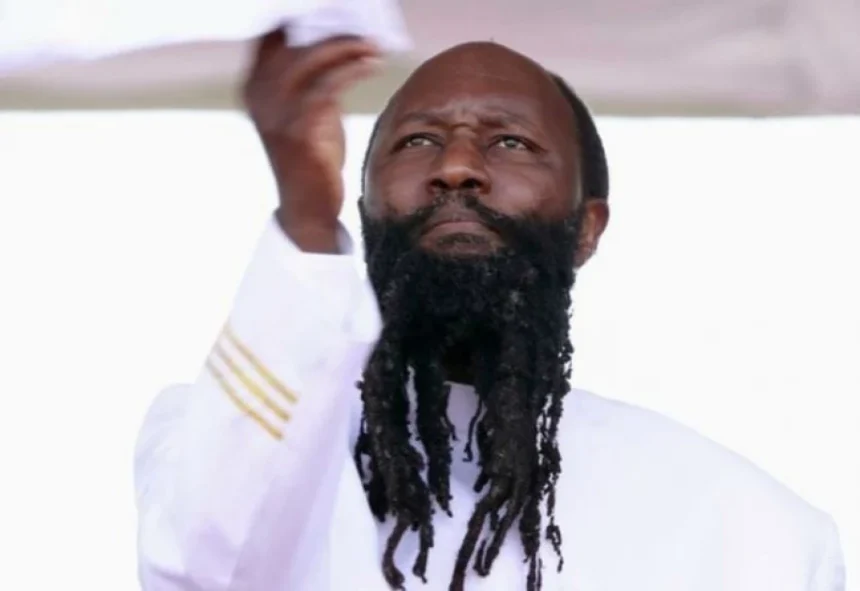
The National Council of Churches of Kenya (NCCK) has publicly distanced itself from miracle healing claims associated with controversial preacher David Owuor, igniting fresh debate over faith, accountability, and the role of religious leaders in Kenyan society.
In a carefully worded statement, the council clarified that it neither endorses nor validates miracle healings attributed to Owuor, stressing the need for discernment and responsibility when such claims are presented to the public.
NCCK Draws a Clear Line
The NCCK emphasized that while it respects freedom of worship and religious expression, extraordinary claims—especially those involving physical healing—must be approached with caution. Church leaders warned that unverified miracle testimonies can mislead vulnerable believers and potentially discourage them from seeking medical care.
According to the council, faith should not be used to exploit desperation or suffering. Instead, religious leaders should promote truth, compassion, and ethical responsibility in ministry.
The statement marks one of the strongest public positions taken by the NCCK regarding miracle claims in recent years.
Who Is David Owuor?
David Owuor is the founder and leader of the Ministry of Repentance and Holiness, a religious movement known for large-scale crusades and dramatic miracle healing testimonies.
Over the years, Owuor has drawn massive crowds across Kenya and beyond, with followers claiming miraculous healings ranging from paralysis to blindness. These claims have often been amplified through social media, live broadcasts, and testimonies shared during church gatherings.
However, critics and medical professionals have repeatedly questioned the authenticity of some of the healings, citing a lack of independent verification.
Why NCCK’s Position Matters
As an umbrella body representing mainstream Protestant churches in Kenya, the NCCK’s stance carries significant moral and institutional weight. By distancing itself from miracle healing claims, the council appears keen to protect the credibility of the church and prevent the commercialization or sensationalization of faith.
Religious analysts say the move reflects growing concern among established churches over the rise of charismatic movements that blur the line between faith, spectacle, and accountability.
The NCCK stressed that miracles, if they occur, should glorify God rather than elevate individuals or institutions.
Public Reaction and Debate
The council’s statement has triggered mixed reactions. Some Christians welcomed the move, arguing that unchecked miracle claims damage the reputation of Christianity and expose believers to manipulation.
Others, particularly supporters of Owuor, accused the NCCK of undermining genuine expressions of faith and spiritual gifts. On social media, debates erupted over whether miracles should be scrutinized or accepted purely on faith.
Medical experts, however, largely supported the NCCK’s call for caution, noting that false healing claims can have serious health consequences when patients abandon treatment.
Faith, Healing, and Accountability
The controversy highlights a broader question facing Kenya’s religious landscape: how to balance faith in divine healing with responsibility and truth.
The NCCK reiterated that prayer and medical care should complement—not replace—each other. The council encouraged believers to seek professional medical advice even as they pray for healing.
Church leaders also called on the government and relevant authorities to ensure that religious freedom does not become a cover for exploitation or misinformation.
Implications for the Church in Kenya
This public distancing could mark a turning point in how mainstream churches respond to miracle-based ministries. Observers say it may prompt increased calls for self-regulation within the religious sector, including ethical guidelines on healing claims and public testimonies.
For believers, the statement serves as a reminder to practice discernment and avoid equating dramatic claims with spiritual authenticity.
Conclusion
The NCCK’s decision to distance itself from miracle healing claims linked to David Owuor underscores growing concern about accountability within Kenya’s religious space. While faith remains a powerful force, church leaders are increasingly emphasizing truth, responsibility, and the protection of believers from potential harm.
As the debate continues, the spotlight remains firmly on how religious institutions can uphold spiritual values while safeguarding public trust.