
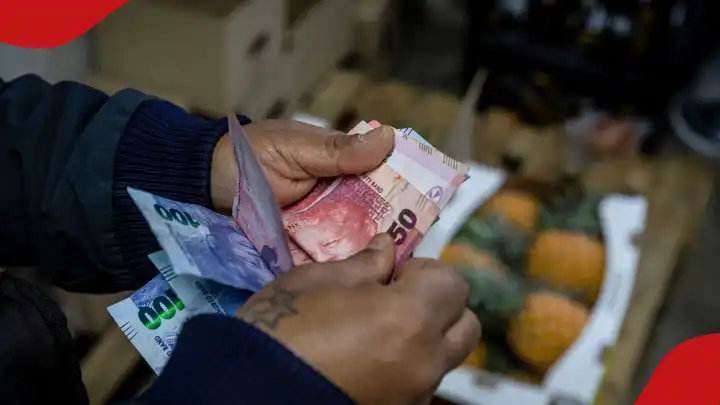
In the global financial landscape, Africa’s currencies often face scrutiny for volatility, inflation, and dependency on commodity exports. However, several African nations maintain remarkably strong and stable currencies—a reflection of sound monetary policy, economic diversification, and strategic foreign reserves.
A “strong” currency isn’t just about a high exchange rate to the US dollar—it’s about purchasing power, inflation control, and resilience in international trade. Here, we rank Africa’s top 10 strongest currencies as of December 2025, based on exchange rates, economic stability, and forex liquidity.
December 2025 Rankings: Top 10 Strongest African Currencies
(Note: Exchange rates are approximate as of December 2025 and subject to fluctuation.)
1. Tunisian Dinar (TND)
Value: 1 TND ≈ 0.32 USD
Key Strengths: Strict capital controls, managed float system, and a relatively diversified economy reduce volatility.
Outlook: Remains Africa’s strongest due to conservative central bank policies.
2. Libyan Dinar (LYD)
Value: 1 LYD ≈ 0.21 USD
Strengths: Backed by vast oil reserves; however, political instability limits full potential.
Note: Official rate remains strong, but black-market divergence persists.
3. Moroccan Dirham (MAD)
Value: 1 MAD ≈ 0.10 USD
Strengths: Managed float aligned with a currency basket (EUR & USD), stable tourism and agriculture exports.
Trend: Consistently stable with gradual liberalization.
4. Ghanaian Cedi (GHS)
Value: 1 GHS ≈ 0.085 USD
Why Strong? Post-2024 IMF program restored confidence; gold & cocoa exports bolster reserves.
Watchpoint: Inflation control remains critical for sustained strength.
5. Seychellois Rupee (SCR)
Value: 1 SCR ≈ 0.075 USD
Strengths: High-value tourism economy, effective forex management.
Unique Trait: Highest per capita income in Africa supports currency demand.
6. Botswana Pula (BWP)
Value: 1 BWP ≈ 0.074 USD
Strengths: Diamonds and robust fiscal governance; pegged to a basket (ZAR & IMF SDR).
Reliability: Long history as one of Africa’s most stable currencies.
7. Zambian Kwacha (ZMW)
Value: 1 ZMW ≈ 0.048 USD
Comeback Story: Copper price recovery and debt restructuring boosted forex liquidity.
2025 Trend: Appreciating due to renewed investor confidence.
8. Egyptian Pound (EGP)
Value: 1 EGP ≈ 0.033 USD
Context: Post-float correction (2023) and IMF deal improved stability; vast remittance inflows.
Strength Scale: Large economy with deep forex reserves supports moderate strength.
9. Mauritian Rupee (MUR)
Value: 1 MUR ≈ 0.022 USD
Strengths: Financial services hub, tourism, and light manufacturing.
Stability: Managed float with low inflation preserves purchasing power.
10. Kenyan Shilling (KES)
Value: 1 KES ≈ 0.0078 USD
2025 Turnaround: Strong agricultural exports, diaspora remittances, and stable monetary policy reversed earlier depreciation.
Regional Role: East Africa’s most traded and stable currency.
What Determines Currency Strength in Africa?
1. Natural Resources & Exports
Countries like Libya (oil) and Botswana (diamonds) derive currency strength from high-value exports.
2. Monetary Policy Discipline
Tunisia and Morocco use managed floats and conservative forex policies to avoid volatility.
3. IMF Programs & Debt Management
Ghana and Zambia show how multilateral support and debt restructuring can restore currency strength.
4. Economic Diversification
Mauritius and Seychelles thrive on services (tourism, finance), reducing commodity dependency.
5. Political Stability
Nations with consistent governance (Botswana, Morocco) tend to maintain stronger currencies.
Regional Insights: East, West, North & Southern Africa
North Africa: Dominates the top with TND, LYD, MAD due to Eurozone trade links and managed policies.
West Africa: GHS leads as a reform success story; NGN (Naira) remains volatile and outside top 10.
East Africa: KES is region’s anchor; TZS and UGX are stable but weaker.
Southern Africa: BWP is the standout; ZAR (Rand) is influential but weakened by structural issues.
Currency Risks & 2026 Outlook
Potential Shifts:
Angolan Kwanza (AOA) could enter the top 10 if oil prices surge and reforms deepen.
South African Rand (ZAR) may recover if energy and political reforms accelerate.
CFA Franc (XOF & XAF) – pegged to Euro, stable but dependent on France’s monetary policy.
Threats to Stability:
Climate shocks affecting agriculture.
Global interest rate shifts impacting debt costs.
Political transitions (e.g., Libya, Tunisia).
Practical Implications: Travel, Trade & Investment
Travel: Stronger currencies mean better purchasing power abroad for citizens of these nations.
Importers: Benefit from lower costs in countries with stronger currencies.
Investors: Look for stability in MAD, BWP, GHS for lower forex risk.
Migrants: Diaspora remittances go further when home currencies are strong.
Conclusion: Strength Beyond the Exchange Rate
A strong currency reflects confidence, governance, and economic strategy. While the Tunisian Dinar tops the list, the resurgence of the Ghanaian Cedi and Kenyan Shilling tells a story of resilience and reform.
As Africa continues navigating global headwinds, these currencies symbolize not just monetary value, but the potential for sustainable growth and financial sovereignty.