
The Homecoming: 27 Survivors and the “Web of Deceit”
The recent return of 27 Kenyans to Nairobi has pulled back the curtain on a sophisticated trafficking pipeline. These individuals, some of whom arrived with severe physical and psychological trauma, were rescued through intense diplomatic coordination between Kenya’s mission in Moscow and Russian authorities.
The Bait: Recruiters in Nairobi and on WhatsApp groups promised “lucrative” civilian roles—salesmen, security guards for elite estates, or even professional sports opportunities—with salaries ranging from $1,000 to $3,000 a month.
The Trap: Upon arrival, victims were often taken to military bases, stripped of their passports, and forced to sign contracts written in Russian.
The Battlefield: Many found themselves in the Donbas region or near Lyman within weeks. Survivors like “Victor” (28) and “Erik” (37) recounted being used as “expendable material” in high-risk drone assaults, often with less than two weeks of training.
2. Mudavadi’s Agenda: Why He is Going to Moscow
While Kenya has repatriated small batches of citizens since late 2025, the government estimates that over 200 Kenyans remain trapped in the conflict. Mudavadi’s upcoming trip is a direct effort to stop the bleeding.
The three pillars of the Moscow Mission:
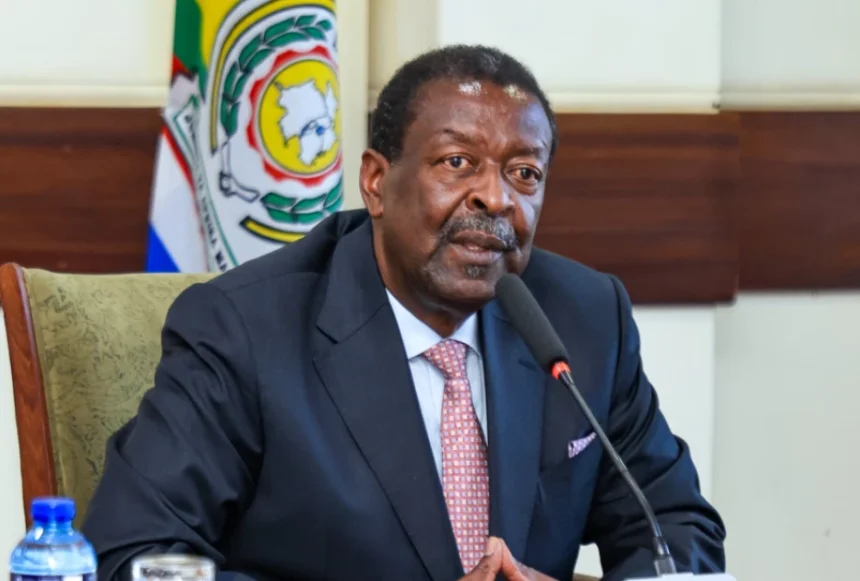
A Ban on Conscription: Mudavadi will urge Moscow to sign a formal bilateral labor agreement that explicitly bans the recruitment or conscription of Kenyan nationals into any military or paramilitary activity.
Visa Policy Reform: Discussion on tightening the “tourist-to-soldier” pipeline, where young men travel on visitor visas only to be “converted” into mercenaries.
The Search for the Missing: The government is working with both Russia and Ukraine to identify the remains of those killed. Recent reports from Ukrainian Intelligence (HUR) identified several Kenyans, including Denis Bagaka and Simon Gititu, whose bodies were found in the Donetsk region.
3. The Crackdown: 600 Agencies Shut Down
The Kenyan government is not just blaming foreign powers; it is cleaning house at home.
Mass Closures: Authorities have shut down over 600 recruitment agencies suspected of operating “clandestine” pipelines.
The Medical Link: Investigations revealed that some Nairobi-based clinics were conducting “pre-departure medical exams” specifically for these mercenary networks, with one clinic seeing over 150 potential recruits in a single month.
Rehabilitation: Mudavadi confirmed that returnees are being “de-radicalized” and given specialized psychological care to address the horrors of the “meat assaults” they witnessed.