

Health Emergency Declared After Exam Official Contracts Mpox
The Homa Bay County government has issued an urgent health alert after a Kenya Certificate of Secondary Education (KCSE) examination supervisor tested positive for mpox just days after overseeing national exams. The diagnosis has raised concerns about potential exposure among students and school staff during the critical examination period.
County Health Executive Dr. Roselyn Omollo confirmed the case on Tuesday, stating that the supervisor had been involved in administering KCSE exams at multiple centers across the county before developing symptoms and seeking medical attention.
Timeline of Events and Exposure Risks
According to health officials, the supervisor began experiencing early symptoms including fever, headache, and swollen lymph nodes during the final days of the examination period. The individual reportedly continued with their examination duties while symptomatic, potentially exposing numerous students and education officials.
“The supervisor was active in examination centers between November 15 and November 28, with symptoms beginning around November 25,” Dr. Omollo explained. “We are working with the Ministry of Education to identify and monitor all potential contacts.”
Immediate Containment Measures Implemented
The county health department has swiftly implemented several emergency measures to contain potential spread:
Contact Tracing:
Health teams have begun identifying and monitoring all individuals who interacted with the infected supervisor, including students, teachers, and fellow examination officials.
Public Awareness Campaigns:
Emergency public health announcements are being distributed across the county, educating residents about mpox symptoms, transmission routes, and preventive measures.
Healthcare Facility Preparedness:
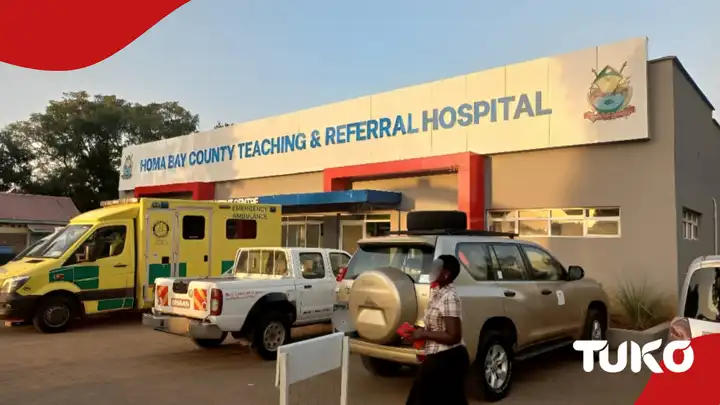
Isolation units have been established at Homa Bay County Referral Hospital, with health workers receiving emergency training on mpox management and prevention.
Understanding Mpox Risks and Transmission
Mpox (formerly known as monkeypox) is a viral zoonotic disease that can spread through:
Close physical contact with infected persons
Contact with contaminated materials (clothing, bedding)
Respiratory droplets during prolonged face-to-face contact
The incubation period typically ranges from 5 to 21 days, meaning individuals exposed during the examination period might still develop symptoms in the coming weeks.
Education Sector Response
The Ministry of Education has issued guidelines to schools affected by the potential exposure:
Monitoring Protocols:
School administrators have been instructed to monitor students and staff for symptoms including fever, rash, and swollen lymph nodes.
Parent Communication:
Letters have been distributed to parents of potentially exposed students, outlining symptoms to watch for and when to seek medical attention.
Disinfection Procedures:
Enhanced cleaning and disinfection of examination centers and affected schools has been initiated.
Medical Response and Treatment Availability
Homa Bay County Referral Hospital has established specialized isolation and treatment facilities for suspected and confirmed mpox cases. County Health Director Dr. Kevin Osuri assured residents that adequate medical supplies are available.
“We have sufficient stocks of personal protective equipment, diagnostic test kits, and supportive care medications,” Dr. Osuri stated. “All suspected cases will receive appropriate medical attention at no cost to patients.”
Public Reaction and Community Concerns
The announcement has generated significant concern among parents and community members, particularly those with children who participated in the recently concluded KCSE examinations.
Mary Atieno, parent of a KCSE candidate at one of the affected schools, expressed her anxiety: “My daughter spent two weeks writing her exams. Now we have to watch her carefully for symptoms. This is every parent’s nightmare.”
Historical Context: Mpox in Kenya
Kenya has experienced sporadic mpox outbreaks in recent years, though cases have typically been contained through rapid public health response. The current case marks the first known instance involving education sector personnel during critical national examinations.
Previous outbreaks have primarily affected regions with strong connections to wildlife habitats, where the virus naturally circulates in animal populations.
Preventive Measures for the Public
Health authorities recommend several preventive measures:
Avoid close contact with individuals showing mpox symptoms
Practice regular hand hygiene with soap and water or alcohol-based sanitizer
Use personal protective equipment when caring for infected individuals
Avoid contact with animals that could harbor the virus
Ensure thorough cooking of all animal products
Coordination with National Health Authorities
The Homa Bay County health department is working closely with national health authorities, including the Ministry of Health and the Kenya Medical Research Institute (KEMRI), to manage the outbreak.
Rapid response teams from Nairobi have been deployed to support local health workers in contact tracing, case management, and public education efforts.
Long-term Implications and Monitoring
While the immediate focus remains on containing potential spread, health officials acknowledge the need for sustained monitoring in the coming weeks. The situation is particularly concerning given the large number of potential contacts during the examination period.
County officials have established a 24-hour emergency hotline for residents seeking information or reporting potential symptoms, with multilingual operators available to assist callers.
Conclusion: Vigilance and Cooperation Required
As Homa Bay County confronts this public health challenge, authorities emphasize that success depends on community cooperation and individual vigilance. Early detection, prompt reporting, and adherence to preventive measures remain crucial to preventing broader transmission.
County Governor Gladys Wanga appealed for calm and cooperation: “We understand the concern this news has generated, particularly among parents. Our health team is doing everything necessary to protect our community. We urge residents to remain vigilant and follow health guidelines carefully.”
The coming weeks will be critical in determining whether the rapid response measures successfully contain the outbreak or if additional cases emerge from the examination period exposures.