

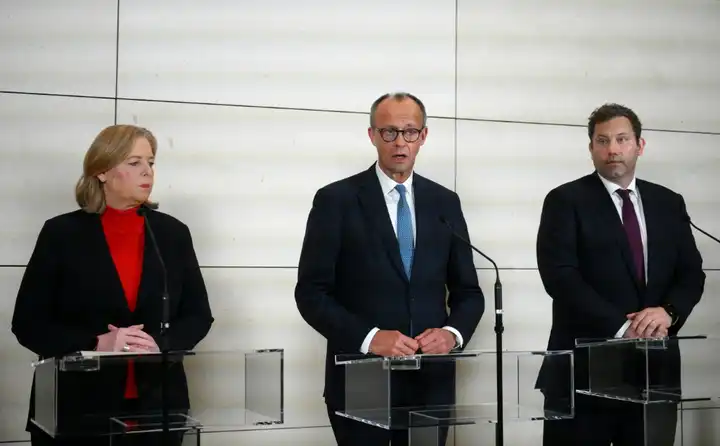
In a major fiscal move, Germany’s parliament has approved revised budget plans for 2026 that carry significantly higher debt levels than previously projected — and at the same time introduced relief measures aimed at business and industry.
France 24
+1
📊 Key Budget Figures
Total planned expenditure: €524.5 billion (about US $610 billion).
Tuko.co.ke – Kenya news.
+1
New borrowing estimated at just under €98 billion for 2026.
France 24
+1
In earlier drafts, borrowing had been estimated at around €89.9 billion for 2026.
Tuko.co.ke – Kenya news.
+1
⚙️ What Are the Relief Measures?
The government unveiled several relief initiatives including:
A reduction in industrial power prices for heavy-industry sectors, from 2026 through 2028.
Tuko.co.ke – Kenya news.
+1
Reversal of a planned tax increase on the aviation sector (saving about €350 million).
Tuko.co.ke – Kenya news.
Targeted subsidies and support to key manufacturing and export-oriented industries to stimulate economic recovery.
France 24
+1
🧭 Why This Budget Matters
This budget marks a clear departure from Germany’s long-standing policy of fiscal restraint. For decades the country adhered strictly to its constitutional “debt brake” (Schuldenbremse) which limited structural deficits.
Wikipedia
+1
Under the leadership of Chancellor Friedrich Merz, the government is prioritizing large-scale investments in infrastructure and defence, even if that means increased borrowing. The relief measures reflect a strategy to boost Germany’s industrial competitiveness and support households amid global economic pressures.
Al Jazeera
🔍 Implications and Reactions
👍 Supporters say:
The relief measures will ease burdens on industry and improve Germany’s international competitiveness.
The investments could spur growth, help modernize infrastructure and defence, and create jobs.
👎 Critics argue:
The high level of borrowing raises concerns about long-term fiscal sustainability and future debt burdens.
OSW Ośrodek Studiów Wschodnich
+1
Some fear the relief packages are short-term fixes rather than real structural reforms on pensions, welfare, or productivity.
📌 What It Means for Germany’s Economy
Germany is clearly shifting toward a spend-now, invest-big model, betting on stronger growth and structural change.
With the relief measures, businesses may get competitive relief, but households will also watch for how this translates into real cost-of-living improvements.
For external partners and investors, the high borrowing may raise questions about risk, but also signals that Germany intends to play a stronger economic role in Europe.
📝 Conclusion
Germany’s newly unveiled budget is bold and ambitious — stripping away much of the previous caution in favour of large-scale spending and debt. The relief measures demonstrate the government’s awareness of industrial pressures and household strain.
However, the success of this strategy will depend on whether the investments yield tangible growth and whether Germany can manage the enhanced debt responsibly.
This fiscal moment is not only important for Germany, but also for global markets and economies linked to Europe, as the decisions here may influence investment flows, industrial dynamics, and economic partnerships worldwide.