
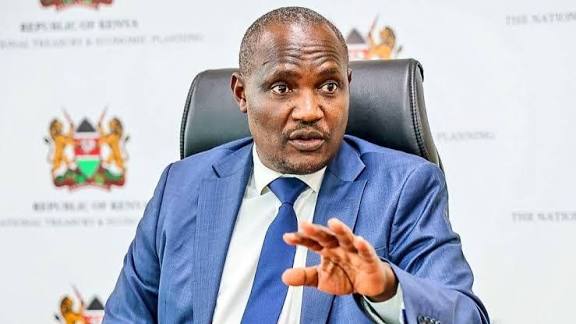
The era of “last year plus ten percent” is officially over in Kenya’s halls of power. On Monday, March 2, 2026, National Treasury CS John Mbadi spent the day before the National Assembly’s Budget and Appropriations Committee, chaired by Hon. Samuel Atandi, outlining a radical departure in how the country manages its multi-trillion shilling purse.
The session was defined by two major pillars: the total adoption of Zero-Based Budgeting (ZBB) and the defense of the controversial National Infrastructure Fund (NIF).
1. The Zero-Based Budgeting (ZBB) Revolution
Mbadi confirmed that for the FY 2026/27 cycle, the National Treasury has rejected the traditional incremental budgeting system.
The Mandate: Every Ministry, Department, and Agency (MDA) was required to justify its entire budget from scratch, rather than simply adding a percentage to the previous year’s allocation.
The Goal: Mbadi told lawmakers that this shift is designed to “tackle wastage, pilferage, and inefficiencies” that have historically bloated the Kenyan budget. “If a project has no clear output for the 2026/27 year, it gets zero funding,” Mbadi asserted.
2. The Ksh 5 Trillion Infrastructure Fund (NIF)
A significant portion of the hearing was dedicated to the proposed National Infrastructure Fund, which aims to raise Ksh 5 Trillion for massive projects like the JKIA modernization and the dualing of the Athi River–Namanga corridor.
The Conflict: Auditor General Nancy Gathungu, appearing before the same committee, flagged “structural paradoxes” in the NIF Bill, noting that while it aims to reduce debt, its current clauses still prioritize borrowing as a primary financing strategy.
Mbadi’s Defense: The CS framed the NIF as a “self-sustaining engine” that would recycle returns from commercially viable projects back into the fund, eventually ending the cycle of sovereign borrowing for highways and railways.
3. No New Taxes—But Reclassifications Ahead?
In a move to calm the public, Mbadi reaffirmed the government’s commitment to avoiding new tax heads in the upcoming Finance Bill. However, he faced tough questions regarding the reclassification of certain goods (like animal feeds and solar panels) from Zero-Rated to Tax-Exempt, a move experts warn could still lead to price hikes for consumers.
4. Macro-Economic Outlook: A 5.3% Growth Target
Despite the global volatility caused by the ongoing Middle East conflict, Mbadi presented a resilient outlook for 2026:
GDP Growth: Projected at 5.3% for 2026.
Inflation: Currently stable at 4.6%, though Mbadi admitted that “external shocks” (referring to the Strait of Hormuz closure) remain a significant domestic risk.
Debt Sustainability: Treasury is in the final stages of a deal with the IMF Staff Mission (currently in Nairobi) for a successor lending arrangement focused on fiscal credibility.