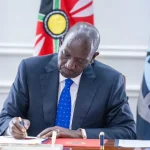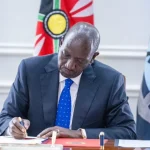

Energy Cabinet Secretary Opiyo Wandayi has reassured Kenyans that the country has sufficient fuel supplies despite growing concerns about the ongoing war involving Iran and tensions in the Middle East.
Speaking amid rising public anxiety, Wandayi dismissed fears of an imminent fuel shortage, insisting that Kenya’s petroleum reserves and scheduled imports are adequate to meet demand.
“We have enough fuel,” the CS said, emphasizing that the government is closely monitoring global developments but sees no immediate cause for alarm.
Why Kenyans Are Worried
The fears stem from escalating conflict in the Middle East, a region that supplies a significant portion of the world’s oil.
Instability in the region can disrupt shipping routes and increase global oil prices, especially when key transport corridors like the Strait of Hormuz face threats or closures.
Roughly 20 percent of global oil shipments pass through the Strait of Hormuz, meaning any disruption can send shockwaves through international energy markets.
For Kenya—an oil-importing country—such global shocks often translate into higher pump prices and potential supply uncertainty.
Government Says Fuel Imports Are Secured
Despite these risks, the Energy Ministry says Kenya has already secured fuel imports for the coming months.
According to Wandayi, petroleum deliveries have been scheduled through April 2026, ensuring steady supply across the country.
The government is also relying on its government-to-government fuel import agreement with major Middle Eastern suppliers, which guarantees regular shipments of petroleum products.
This arrangement allows Kenya to obtain fuel on credit terms while stabilizing supply and protecting foreign exchange reserves.
Emergency Monitoring of Global Developments
While dismissing panic, the CS confirmed that the ministry is actively monitoring the evolving situation.
The government has already engaged oil marketers and industry players to ensure uninterrupted fuel distribution nationwide.
Officials say contingency plans are in place should global supply chains face disruptions due to the conflict.
“We remain alert and will continue taking necessary actions to ensure there is uninterrupted supply,” Wandayi stated.
Fuel Prices Could Still Be Affected
Even though supply appears stable, analysts warn that global oil price volatility could still affect fuel prices in Kenya.
The Iran conflict has already pushed international crude oil prices higher, with analysts warning that continued escalation could trigger inflation across many African economies.
Because Kenya imports refined petroleum products, any increase in global prices often leads to higher pump prices locally.
Fuel is a critical component of Kenya’s economy, affecting transport costs, electricity generation, agriculture, and food prices.
Leaders Raise Questions About Fuel Preparedness
Despite government assurances, some leaders and lawmakers have raised questions about Kenya’s readiness to handle a prolonged global energy crisis.
Members of Parliament have reportedly sought briefings from energy officials to understand the country’s strategic petroleum reserves and preparedness for potential disruptions.
The concerns highlight the broader anxiety many Kenyans feel about the cost of living, which has already been affected by fluctuating fuel prices in recent years.
What It Means for Kenyans
For now, the government insists there is no immediate risk of fuel shortages.
However, experts say Kenyans should still expect continued volatility in global energy markets as the Middle East conflict evolves.