
A Peaceful Meeting That Never Happened
Thursday, December 4th, 2025, was meant to be a day of dialogue in the lush, rolling hills of Ikolomani, Kakamega. The National Environment Management Authority (NEMA) had called a public participation forum. The topic on the agenda was one of monumental consequence for the local community: the environmental and social impact of a proposed Sh680 billion gold mine by British company Shanta Gold Ltd. Instead of discussion, the day descended into screams, gunfire, and chaos. By the time the dust settled, three people lay dead, and at least 18 others were injured, their blood spilling on the very land at the center of the dispute. This was not a simple fight over a nugget of gold; it was a violent eruption of a community’s deepest fears about displacement, survival, and the price of progress.
The scene in the Emusali area was one of heartbreaking contrast. A local school, a place of learning and future promise, was vandalized and turned into a battlefield. Journalists who had come to cover the forum were attacked, their equipment smashed. Roads were barricaded with burning tires. And in the center of it all, police officers, faced with an angry and terrified crowd, opened fire. The official police account would later describe the deceased as “hired goons,” but for the grieving families and furious residents, they were fathers, sons, and neighbors—martyrs in a fight for their ancestral home.
The Spark: More Than Just a Gold Mine
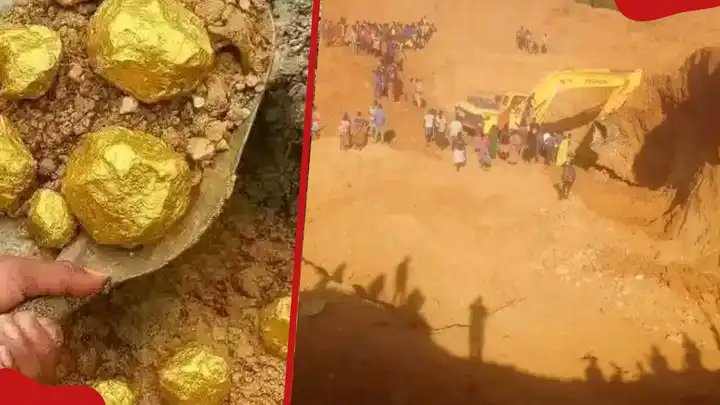
To understand the rage, one must look beyond the glitter of gold. The Shanta Gold project is not a small-scale operation; it is a behemoth. The company touts a resource of over 1.3 million ounces of gold, a discovery worth billions that promises to transform Kenya’s mining sector and national economy. But for the over 800 families living on that land, the promise sounds like a threat. Their central, agonizing fear is one of forced relocation.
For generations, these families have tilled the soil, drawn water from the streams, and built their lives in Ikolomani. The mine, which requires vast tracts of land, means they will have to leave. The community’s trust has been shattered by what they see as a complete lack of transparency. Key questions remain unanswered: Where will they go? What compensation will they receive, and is it fair? Who will ensure it is paid promptly and in full? The proposed resettlement site is already considered overcrowded, and promises of modern homes and jobs feel hollow when weighed against the loss of a self-sufficient livelihood tied to the land.
Adding fuel to the fire are grave environmental concerns. The community fears that the large-scale mining operation will poison their water sources with chemicals like cyanide, destroy farmland, and leave behind a scarred, infertile landscape long after the gold is gone. The NEMA forum was supposed to address these very issues, but for the residents, it felt like a rubber-stamp exercise—a bureaucratic box to be checked before their fate was sealed.
A Pattern of Distrust and a Governor’s Plea
The tragic events of December 4th did not occur in a vacuum. They are the violent peak of a mountain of simmering distrust between local communities, foreign mining companies, and the government. Across Kenya, stories abound of communities displaced by mega-projects with little recourse, left watching from the sidelines as wealth is extracted from beneath their feet.
In the immediate aftermath, Kakamega Governor Fernandes Barasa moved swiftly. He ordered a thorough investigation into the shootings, expressed his profound condolences to the families of the victims, and made a passionate appeal for calm. “We cannot solve problems through violence,” he stated, urging dialogue. His words highlighted the delicate tightrope walk for local leaders: balancing the undeniable economic potential of the mine with the unequivocal duty to protect citizens from harm and displacement.
The police, for their part, reinforced security in the area, and the NEMA forum was indefinitely postponed. But postponement is not resolution.
Conclusion: The Unanswered Question at the Heart of the Pit
The three graves dug in Kakamega hold more than bodies; they hold a question that Kenya must answer as it pursues its development ambitions: At what cost?
The Sh680 billion gold in Ikolomani represents a tantalizing prize for the national treasury and foreign investors. But the blood spilled on December 4th represents the very real human cost of that pursuit. The path forward cannot be paved with more bullets or bureaucratic deafness. It requires genuine, good-faith dialogue where the community are treated as partners, not obstacles. It demands transparent, legally binding resettlement and compensation plans crafted with the people, not for them. It necessitates iron-clad environmental safeguards that are independently monitored.
The gold will remain in the ground. The urgent task now is to see if trust, so violently shattered, can be mined from the ruins of this tragedy. The future of Ikolomani, and a model for responsible extraction in Kenya, depends on it.