
Today, April 14, 2026, marks a seismic shift in Middle Eastern diplomacy. For the first time in over four decades, official representatives from the Lebanese government are sitting across the table from Israeli officials in Washington D.C. The goal? A permanent end to a state of war that has defined the region for generations.
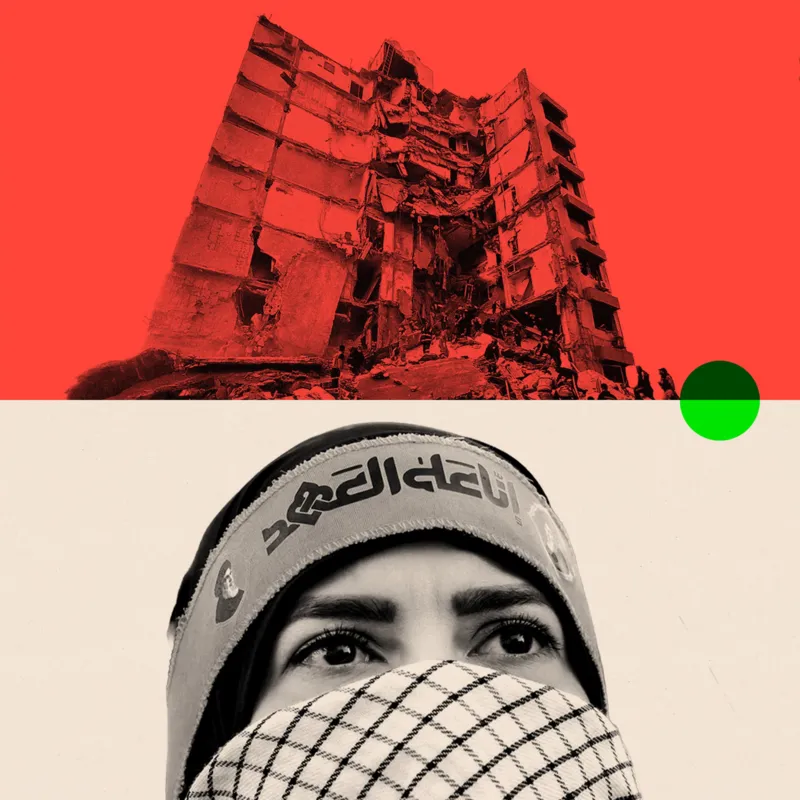
However, while the Lebanese state seeks a sovereign future, a massive shadow looms over the negotiating table: Hezbollah.
A Government Reclaiming Sovereignty
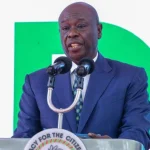
Under the leadership of President Joseph Aoun and Prime Minister Nawaf Salam, the Lebanese government has taken unprecedented steps to separate its national identity from the militant activities of Hezbollah.
The “State Monopoly” Doctrine: In March 2026, the Lebanese Council of Ministers took the historic step of declaring Hezbollah’s armed wing illegal. Prime Minister Salam has been vocal that the “decision of war and peace rests exclusively with the state.”
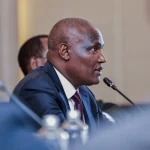
The Washington Summit: Hosted by the U.S. State Department, today’s talks involve Lebanese Ambassador Nada Hamadeh and Israeli Ambassador Yechiel Leiter. Unlike previous indirect ceasefires, this summit aims for a formal peace agreement and the implementation of a “weapons-free” Lebanon.
The Hezbollah Obstacle
Despite the government’s resolve, Hezbollah—backed by its patrons in Tehran—has rejected the talks as “futile.” In a televised address just yesterday, Hezbollah chief Naim Qassem vowed that the group would “remain in the field until our last breath,” calling the diplomatic push a betrayal of the “resistance.”
The group currently faces a massive internal and external squeeze:
Domestic Illegality: The Lebanese government has authorized the use of force to disarm non-state actors.
Military Pressure: The IDF has established a “Line of Control” in southern Lebanon to prevent cross-border raids.
Diplomatic Isolation: Prime Minister Salam recently rejected an Iranian proposal to negotiate on Lebanon’s behalf, signaling a break from foreign influence.
What’s at Stake?
The success of these talks hinges on whether the Lebanese Armed Forces (LAF) can successfully assert control over the entire country, including the Hezbollah-dominated south. For Israel, the priority is the total dismantling of Hezbollah’s rocket infrastructure. For Lebanon, it is the restoration of territorial integrity and economic stability.