

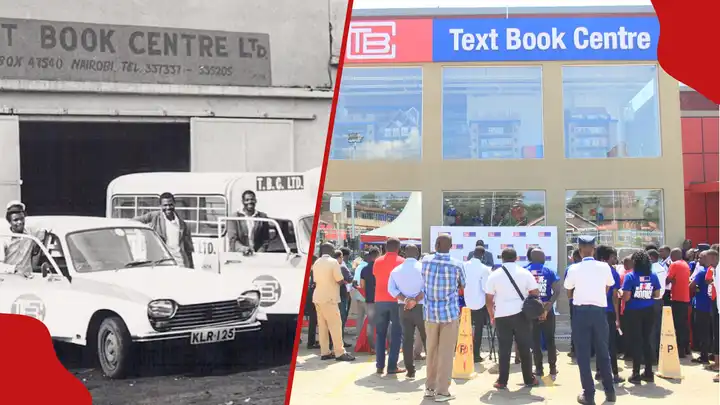
In an era where digital disruption has shuttered bookstores worldwide, one Kenyan-born brand has not only survived but thrived—transforming from a single shop in 1964 into a retail and distribution powerhouse generating over KSh 6 billion in annual revenue.
This is the story of Text Book Centre (TBC), a family-led enterprise that has become synonymous with education, literature, and Kenyan entrepreneurial resilience. In an exclusive revelation, the CEO recently shared the journey—a masterclass in strategic adaptation, customer loyalty, and visionary leadership.
1. The Humble Beginnings: 1964, a Single Store on Government Road
The Founding Vision:
Founder: Mr. N. K. Karmali, a businessman with a passion for education.
First Store: A modest shop on Government Road (now Moi Avenue) in Nairobi, selling textbooks and stationery.
Early Philosophy: “To be the trusted partner in every Kenyan’s educational journey.”
The 1960s–1970s Landscape:
Kenya was freshly independent; education was a national priority.
TBC positioned itself as the go-to for schools, universities, and self-learners.
Built trust through quality products, knowledgeable staff, and reliable supply.
2. The Growth Engine: Strategic Decisions That Built an Empire
A. Vertical Integration (1980s–1990s)
Moved beyond retail into distribution and publishing.
Became the exclusive distributor for major international publishers (Penguin, Oxford University Press, Macmillan).
Started publishing local educational content tailored to the Kenyan curriculum.
B. Geographic & Product Diversification
Opened branches in major towns: Mombasa, Kisumu, Nakuru, Eldoret.
Expanded product range to include:
Academic & trade books
Office supplies & stationery
Educational technology
Art materials & library furniture
C. Embracing Technology Early (2000s)
Launched one of Kenya’s first e-commerce platforms for books.
Implemented ERP systems for inventory and supply chain efficiency.
Used data analytics to track trends and tailor stock to regional needs.
D. Surviving Digital Disruption (2010s–Present)
While global giants like Borders collapsed, TBC:
Enhanced in-store experience with reading corners, author events, and cafes.
Strengthened B2B supply to schools and institutions.
Launched e-learning partnerships and digital content subscriptions.
Diversified into corporate gifting and branded merchandise.
3. By the Numbers: The KSh 6 Billion Milestone
Annual Revenue: Over KSh 6 billion (approx. $46 million).
Store Count: 12+ flagship stores nationwide + hundreds of institutional supply partnerships.
Employees: 500+ direct jobs created, with thousands indirectly in publishing, logistics, and printing.
Market Share: Est. 40%+ of Kenya’s formal book retail and distribution.
4. Exclusive CEO Insights: Leadership Lessons for Kenyan Businesses
In a candid interview, the CEO (a second-generation leader) shared key principles:
On Long-Term Vision:
“We never chased quick profits. We chased lasting impact. Every decision was tested against: ‘Will this help a Kenyan learn, grow, or create?’”
On Adapting to Change:
“When e-books emerged, we didn’t panic. We asked, ‘How can we be part of this new reading habit?’ We became aggregators and facilitators of digital content.”
On Kenyan Identity:
“We are a Kenyan brand serving Kenyans. We stock local authors, publish local stories, and mentor local publishers. Our growth is tied to Kenya’s growth.”
On Family Business Dynamics:
“Professionalise early. Bring in external expertise. Respect the founding values, but innovate relentlessly.”
5. Challenges Overcome – The Untold Struggles
Economic Turbulence: Survived currency fluctuations, import challenges, and multiple economic crises.
Piracy & Copyright Issues: Fought illegal photocopying and counterfeit books through advocacy and consumer education.
Competition: Outlasted multinational retailers by deepening local relationships and understanding Kenyan tastes.
COVID-19 Pandemic: Accelerated digital shift, offered contactless delivery, and supported schools during closures.
6. Impact Beyond Profit: Building Kenya’s Knowledge Economy
Author Nurturing: Platform for first-time Kenyan writers.
Reading Culture: Sponsor of book fairs, school reading programs, and literary prizes.
Skills Development: Training programs for booksellers, publishers, and librarians.
Digital Inclusion: Partner in national digital literacy initiatives.
7. The Future Chapter: What’s Next for the Brand?
African Expansion: Exploring entry into Uganda, Tanzania, Rwanda.
Tech Integration: AI-based recommendation engines and personalized learning platforms.
Sustainability Push: Eco-friendly packaging, recycling programs, and solar-powered stores.
Continued Local Focus: Publish 100+ Kenyan titles annually by 2030.
8. Lessons for Aspiring Kenyan Entrepreneurs
Solve a Real Need – TBC filled the education and knowledge gap.
Build Trust, Not Just Transactions – Became a household name over generations.
Diversify, But Stay Focused – Grew product lines but never strayed from core mission.
Embrace Change Early – Adopted tech before it became urgent.
Root Growth in Purpose – Measured success in readers empowered, not just revenue.
Conclusion: A Kenyan Icon That Wrote Its Own Success Story
Text Book Centre’s journey from one store to KSh 6 billion is more than a business case—it’s a story of Kenyan resilience, intellectual investment, and generational vision. In a world of fleeting trends, it stands as proof that deep roots, adaptive branches, and a commitment to community can build an empire that lasts.
As the CEO proudly stated: “We don’t just sell books—we sell potential. And that will always be in demand.”