
Diplomatic Tensions Rise Over Frozen Development Funds
The Tanzanian government has launched a diplomatic offensive urging the European Union Parliament to reconsider its decision to freeze 178 million euros (approximately Ksh.23 billion) in development aid, a move linked to concerns about election-related unrest and democratic governance in the East African nation.
The appeal comes amid growing tensions between Tanzania and its European development partners, with the freeze potentially affecting critical infrastructure and social development projects across the country.
The EU Parliament’s Decision: Understanding the Rationale
The aid suspension follows a comprehensive assessment of Tanzania’s political environment, particularly focusing on:
Election Integrity Concerns:
The EU expressed reservations about the conduct of recent elections, citing instances of restricted political space and opposition limitations.
Civil Society Space:
Concerns about shrinking operational space for civil society organizations and media freedom restrictions influenced the decision.
Human Rights Record:
Allegations of human rights violations during election periods and in dealing with political dissent contributed to the aid freeze.
An EU Parliament spokesperson stated: “While we acknowledge Tanzania’s development progress, we cannot ignore fundamental governance principles that form the basis of our partnership.”
Tanzania’s Response: Diplomatic Engagement Intensifies
Government’s Counter-Arguments
Tanzanian officials have mounted a multipronged response to the aid freeze:
Progress Recognition:
Foreign Affairs Minister Dr. Stergomena Tax has emphasized Tanzania’s “significant strides” in democratic reforms under President Samia Suluhu Hassan’s administration.
Economic Impact Concerns:
Officials highlight that the frozen funds target critical development sectors that directly benefit Tanzanian citizens, particularly in health, education, and infrastructure.
Dialogue Preference:
The government advocates for continued engagement rather than punitive measures, arguing that partnership and support would better encourage reforms.
Presidential Intervention
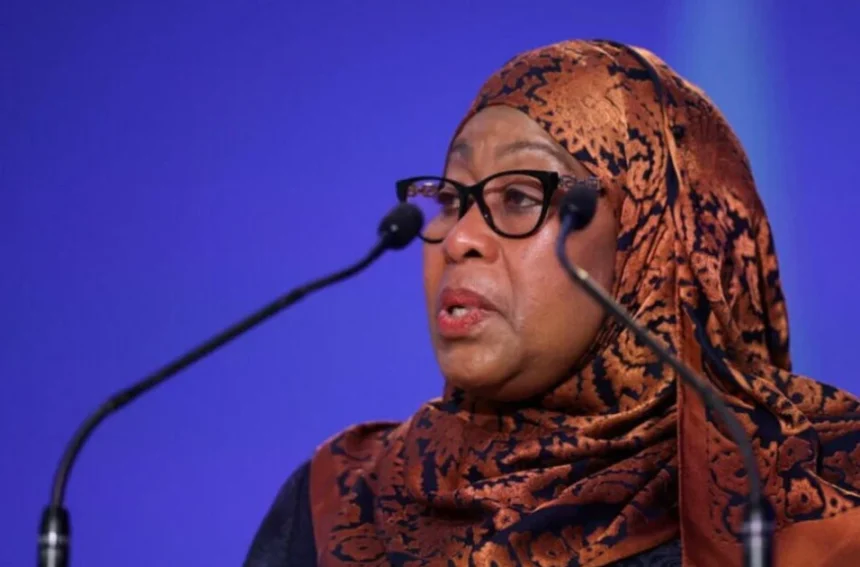
President Samia Suluhu Hassan has personally engaged with EU ambassadors, emphasizing her administration’s commitment to inclusive governance and highlighting specific reforms implemented since she took office.
The Aid in Question: What’s at Stake?
The frozen 178 million euro package targets several key development areas:
Education Sector Support (45 million euros):
Primary education improvement programs
Vocational training enhancement
Teacher development initiatives
Healthcare Infrastructure (62 million euros):
Rural health center upgrades
Maternal healthcare programs
Disease prevention campaigns
Agricultural Development (41 million euros):
Smallholder farmer support
Sustainable agriculture practices
Market access improvements
Governance Programs (30 million euros):
Public financial management
Local government capacity building
Anti-corruption initiatives
Historical Context: Tanzania-EU Development Partnership
Tanzania and the European Union have maintained a strong development partnership for decades, with the EU being one of Tanzania’s largest development partners. Previous aid suspensions have been rare and typically resolved through diplomatic engagement and commitment to reform.
The current situation represents the most significant diplomatic challenge in recent years, testing the resilience of the long-standing partnership.
Regional Implications: Watching Neighbors
The Tanzania-EU aid dispute is being closely watched across East Africa, where several countries face similar governance questions from international partners:
Kenya:
Currently enjoying strengthened EU relations but monitoring the situation for potential implications on its own partnerships.
Uganda:
Facing its own challenges with international donors over governance and human rights issues.
Rwanda:
Balancing international partnerships with domestic governance approaches.
Reform Progress: Tanzania’s Governance Improvements
Since President Samia took office in 2021, her administration has implemented several reforms:
Media Freedom:
Lifted ban on several media outlets
Engaged with previously banned publications
Initiated media law reviews
Political Space:
Resumed political rallies after years of restrictions
Engaged with opposition leaders
Initiated constitutional review discussions
Economic Reforms:
Improved business environment rankings
Streamlined investment procedures
Enhanced public financial management
The Way Forward: Potential Resolution Pathways
Short-term Measures
Enhanced Dialogue:
Regular high-level meetings between Tanzanian officials and EU representatives to address specific concerns.
Technical Working Groups:
Establishment of joint committees to monitor and implement governance improvements.
Transparency Mechanisms:
Enhanced reporting on aid utilization and impact to rebuild trust.
Medium-term Solutions
Reform Roadmap:
Clear, time-bound commitment to specific governance and democratic reforms.
Independent Monitoring:
Third-party assessment of election processes and political space.
Structured Engagement:
Regular political dialogue frameworks to prevent future crises.
Economic Impact Assessment
The aid freeze could have significant economic consequences:
Direct Project Impact:
Delayed infrastructure projects
Reduced service delivery in health and education
Slowed agricultural modernization
Indirect Effects:
Potential investor caution
Possible influence on other donor decisions
Currency and financial market implications
Civil Society Perspectives
Local and international civil society organizations have mixed reactions:
Government Critics:
Argue the aid freeze provides necessary leverage for meaningful reforms.
Development Advocates:
Worry about the impact on ordinary Tanzanians who benefit from development projects.
Policy Analysts:
Suggest the situation could catalyze important national conversations about governance and development priorities.
International Community Stance
The situation has drawn attention from various international actors:
African Union:
Monitoring the situation while emphasizing African solutions to African challenges.
United Nations:
Offering facilitation support for dialogue between the parties.
Other Bilateral Partners:
The United States, UK, and Japan are watching closely as they consider their own aid approaches to Tanzania.
Conclusion: Balancing Principles and Partnership
The Tanzania-EU aid freeze represents a classic development diplomacy dilemma: how to balance principle-based concerns about governance with practical development partnerships that benefit millions of citizens.
As negotiations continue, both sides face pressure to find common ground. For the EU, maintaining credibility on governance principles while ensuring Tanzanian citizens don’t unnecessarily suffer. For Tanzania, preserving national sovereignty while securing development resources and maintaining international partnerships.
The outcome will likely influence not only Tanzania’s development trajectory but also how international partners approach governance concerns across the region in coming years.
As one European diplomat involved in the discussions noted: “This is ultimately about finding the right balance between encouraging reform and supporting development. Both sides want Tanzania to succeed—the question is how best to achieve that shared objective.”