

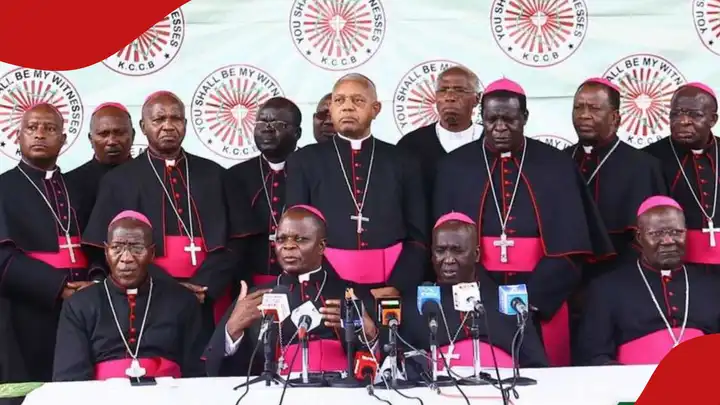
The Kenya Conference of Catholic Bishops (KCCB) has raised strong objection to the recently enacted Computer Misuse and Cybercrimes (Amendment) Act, 2025, warning that the law could be used to suppress dissent, infringe on privacy, and weaken democratic participation. In a public statement, the bishops called for a review of the law and urged especially young people not to be intimidated into silence.
🚨 Bishops Sound the Alarm on Civil Liberties
Speaking through their chairperson, Rev. Maurice Muhatia Makumba, the Catholic Bishops expressed concern that sections of the law could target critics of the government or be misused to influence political outcomes.
Citizen Digital
+2
Kenyan Post
+2
“We strongly recommend a necessary review lest they be abused to curtail the very freedom they are meant to protect,” the bishops said in their statement.
Kenyan Post
They cautioned that the law, passed hastily without sufficient public input, risks undermining trust in government institutions if perceived as a tool for political silencing.
Kenyans
+1
🧑💻 Youth and Digital Freedom
The bishops specifically reached out to the youth, urging them to remain active and vocal:
“We have always called on the public, especially the youth, to use civil language when raising concerns online. Nevertheless, they should not be intimidated from expressing themselves as active citizens interested in their country’s affairs,” they stated.
Citizen Digital
This appeal comes amid growing anxiety that the law’s stricter provisions could chill free speech and make young Kenyans wary of speaking out on social media — especially in the run-up to future elections.
⚖️ Church vs. State: A Tug of War on Morality and Expression
While some political leaders defend the law as a necessary safeguard, the bishops argue that the balance has tilted too far toward control. The Speaker of the National Assembly, Moses Wetang’ula, has publicly defended the law as a “moral shield” rather than a gag, saying it protects families, children, and public morality.
The Times Kenya
Nevertheless, the church insists that citizen protections and meaningful public participation must be built into any digital-safety law.
Citizen Digital
+1
💬 Call for Public Participation and Clarity
The bishops’ demands to the government are threefold:
Conduct a full review of the cybercrime law to ensure it does not violate fundamental rights.
Kenyan Post
Engage in meaningful public participation, allowing citizens, especially digital natives and youth, to voice their concerns.
Citizen Digital
+1
Clarify targeting: Define exactly who the law is meant to address — from cyberbullies and fraudsters to political actors — to avoid misuse.
Kenyan Post
+1
🧭 Why the Bishops’ Stand Matters
Moral authority: As respected religious leaders, their voice carries weight, especially among communities that value ethical and moral frameworks.
Youth influence: Their explicit call to young Kenyans is significant in a country where digital activism is increasingly common.
Democracy alert: The bishops are signaling a warning about how digital legislation might be used to erode democratic freedoms under the guise of regulation.
📝 Conclusion
The Catholic Bishops’ opposition to the new cybercrime law underscores a deeper tension in Kenya’s digital future — between regulating online harm and safeguarding freedom of expression. Their message to the youth is clear: online laws should not be a tool of fear, but a framework for responsibility. As Kenya navigates this new legal terrain, the church is calling for vigilance, dialogue, and, above all, protection of civil liberties.