

At least 10 people have died in Nairobi after heavy overnight rains triggered devastating floods across several parts of the city. The sudden downpour caused rivers to overflow and drainage systems to fail, leaving roads submerged and homes flooded.
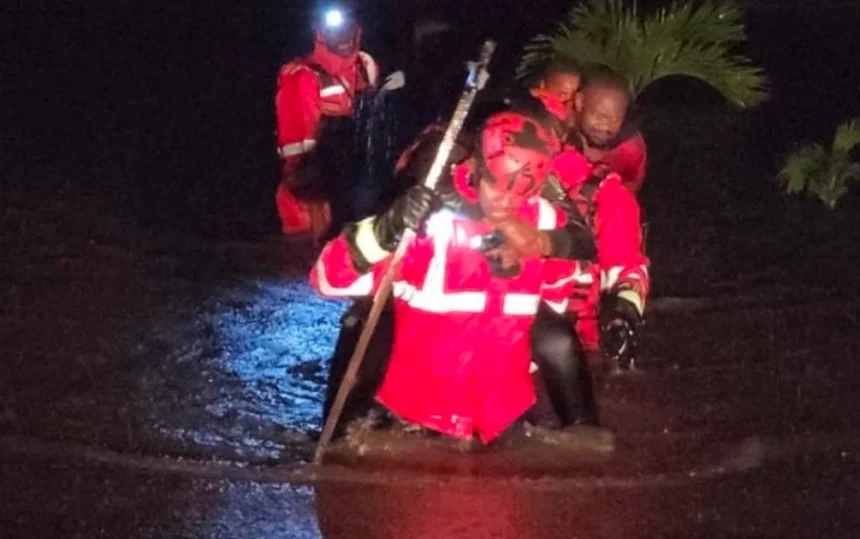
Emergency responders have been working overnight to rescue stranded residents and assess the damage caused by the flooding. Authorities say several neighborhoods experienced dangerously high water levels that swept through residential areas and major roads.
The tragedy highlights the growing risk of flooding in the Kenyan capital during periods of intense rainfall.
How the Overnight Rains Turned Deadly
The floods were triggered by intense rainfall that fell across Nairobi during the night, catching many residents off guard.
Within a short time, floodwaters began flowing through streets and residential areas, turning roads into rivers and trapping motorists.
Authorities say the victims died in different circumstances, including:
Being swept away by fast-moving floodwaters
Vehicles getting trapped in flooded roads
Collapsing structures weakened by water
Electrocution from exposed power lines
Rescue teams believe the number of victims could increase as search operations continue in affected areas.
Areas Most Affected by the Floods
Several neighborhoods across Nairobi experienced severe flooding after the overnight rains.
Some of the hardest-hit areas include:
Embakasi
Pipeline
Kibra
Mathare
Mukuru informal settlements
Umoja
Roysambu
Ruai
Residents reported water entering homes and destroying property, forcing many families to evacuate in the middle of the night.
Videos shared online showed vehicles partially submerged while residents struggled to move through waist-deep water.
Major Roads Submerged
The heavy rainfall also caused significant disruption to transport across the city.
Several key roads in Nairobi were flooded, creating massive traffic jams and leaving motorists stranded for hours.
Among the roads affected were:
Mombasa Road
Jogoo Road
Thika Superhighway
Uhuru Highway
Traffic police were deployed to redirect vehicles and prevent drivers from attempting to cross flooded sections of the roads.
Rescue Teams Respond to Emergency
Emergency responders, including the Kenya Red Cross Society, have been deployed to assist affected residents.
Rescue teams are currently conducting search operations in flooded areas while also helping evacuate families trapped in their homes.
Relief efforts include:
Evacuating stranded residents
Providing emergency medical assistance
Distributing relief supplies
Monitoring rivers and water levels
Humanitarian agencies are also preparing shelters for families displaced by the floods.
Weather Experts Warn More Rain Could Fall
Weather experts have warned that heavy rainfall could continue in several parts of Kenya in the coming days.
If the rains persist, more areas around Nairobi could experience flooding, especially neighborhoods located near rivers or low-lying land.
Authorities have therefore urged residents to remain cautious and avoid walking or driving through flooded roads.
Growing Concerns Over Urban Flooding
The deadly floods have once again raised concerns about drainage systems and urban planning in the Kenyan capital.
Experts say blocked drainage systems and rapid urban development have increased the city’s vulnerability to flash floods.
Many residents have called for long-term infrastructure improvements to prevent similar disasters in the future.
Conclusion
The tragic deaths of at least 10 people in Nairobi’s floods underline the devastating impact that extreme weather can have on urban communities.